Many Dallas homes are built on concrete slab foundations. The clay soil beneath those slabs expands and contracts as moisture levels change, which can cause subtle foundation movement over time.
This movement may not be noticeable day to day, but it becomes significant when extreme wind forces are introduced. During severe storms, structural stability depends on how well components are anchored and how effectively force transfers into the ground.
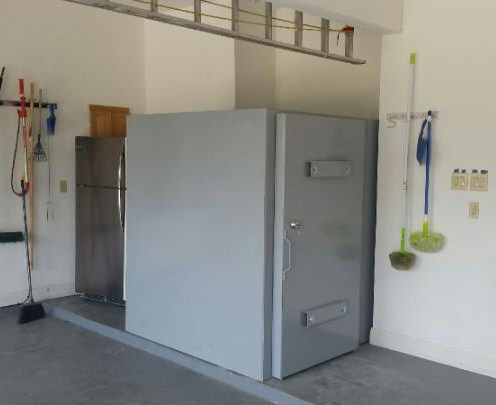
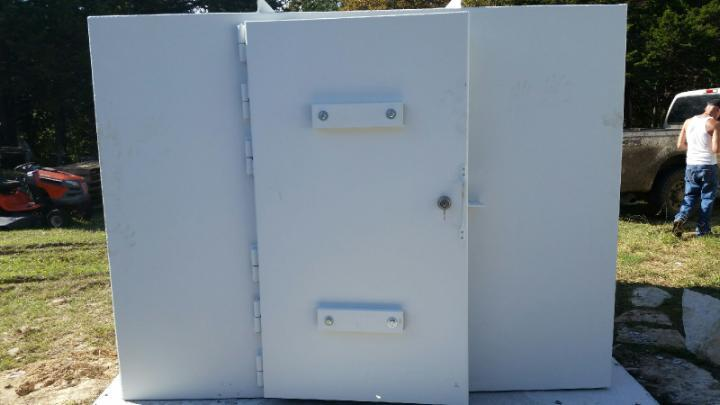
For homeowners installing a steel storm shelter in Dallas, TX, that reality matters. The shelter must anchor securely to the foundation — and that foundation must be capable of holding those anchors under extreme wind pressure.
Wind Forces Must Transfer Through a Continuous Path
Tornado-force winds create more than horizontal pressure. They introduce uplift and internal pressure shifts that attempt to move or overturn structures. FEMA’s wind vulnerability guidelines explain that wind loads can apply pressure and suction forces at the same time, increasing stress on structural connections.
Research also shows that changes in internal air pressure during a tornado can increase the overall force acting on a building.
When wind pressure increases, the strain on the shelter increases too. If any part of that connection is weak, the storm shelter can shift or lift under pressure. A properly installed steel storm shelter is engineered to resist both lateral pressure and uplift forces — not just debris impact.
Not Every Slab Is Ready for Anchoring
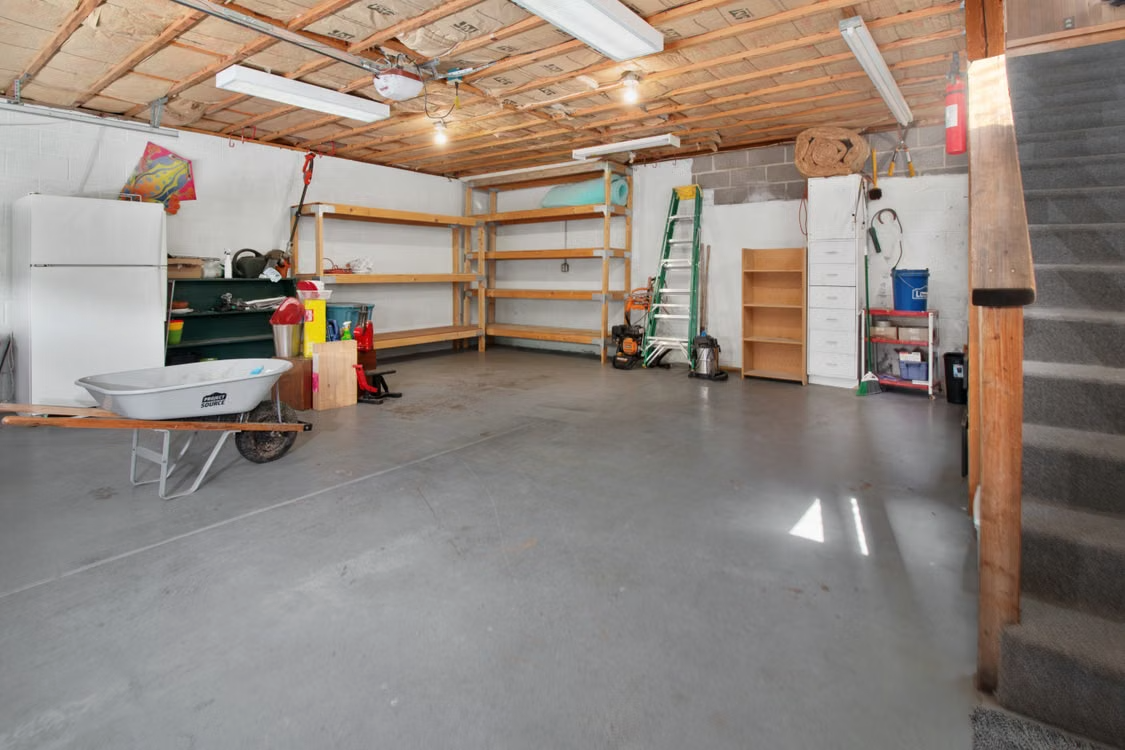
Many residential storm shelters are installed in garages, but not every garage floor is ready for that kind of pressure.
Some concrete slabs are thinner than expected. Drilling into those without proper planning can weaken the slab instead of strengthening it.
FEMA makes it clear that safe rooms must be properly designed and installed to provide real protection. For homeowners considering a steel storm shelter in Dallas, TX, that means the slab should be evaluated before installation — not after.
Wind Ratings Assume Proper Installation
Wind-speed ratings and debris-impact testing are done under controlled conditions. Those results assume the shelter is installed correctly — including the anchors.
If anchors are poorly placed, not secured deeply enough, or installed in weak concrete, the shelter may not perform as tested — regardless of steel thickness.
For Dallas homeowners considering a tornado shelter or reinforced steel option, anchoring should matter just as much as the materials used to build it.
Why Precision Installation Matters
Soil and slab conditions vary across Dallas neighborhoods. Expansive clay soil can contribute to gradual foundation movement, which makes proper anchoring even more important.
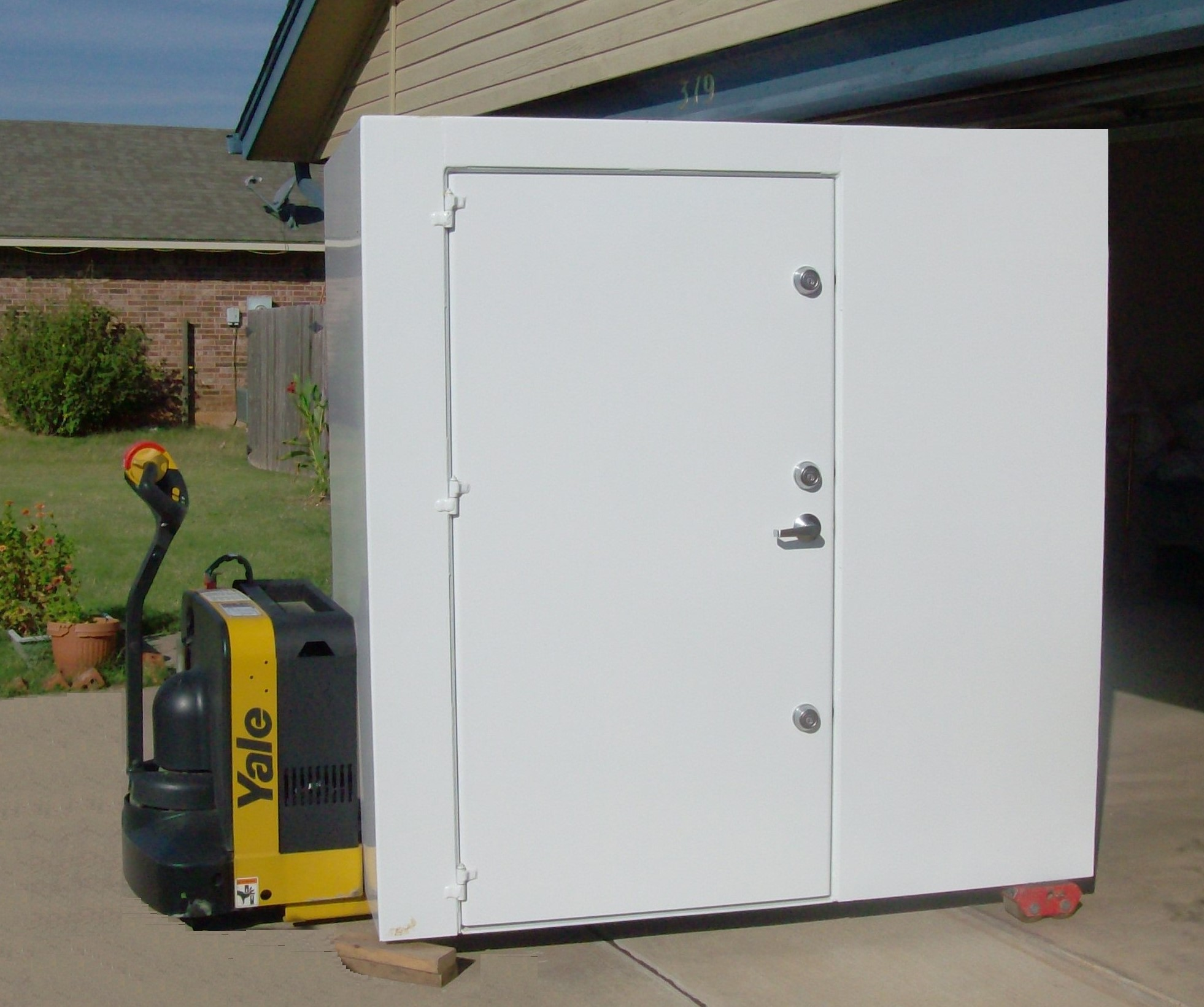
A professionally installed steel storm shelter in Dallas, TX accounts for slab condition, reinforcement, anchor depth, and proper bolt placement — ensuring the shelter remains secure during extreme wind forces.
Strength Starts Below the Surface
Steel thickness and reinforced doors matter — but anchoring is what keeps the shelter in place.
Safe Rooms US designs and installs above-ground steel storm shelters with careful attention to slab condition and proper anchor placement.
If you’re considering a steel storm shelter in Dallas, TX, give Safe Rooms US a call to discuss installation requirements and anchoring standards.