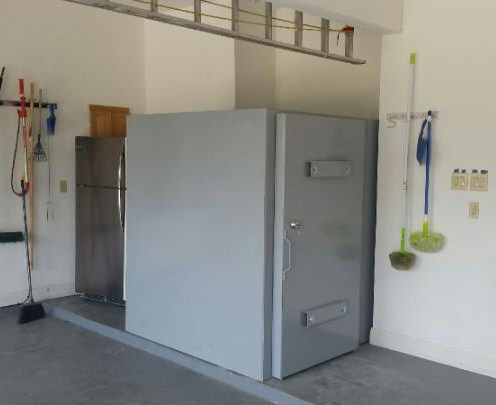
Have you ever wondered if a tornado safe room in Texas is truly secure, or if it might have hidden flaws? Every year, severe storms in the region highlight the importance of proper shelter, yet many homeowners unintentionally compromise safety through installation mistakes.
At Safe Room US, we work with families across Texas to install safe room shelters that meet FEMA standards and local building codes. By partnering with an experienced safe room builder in Texas, homeowners can avoid common pitfalls and ensure their shelter provides reliable protection when it matters most.
In this article, we outline the most frequent installation errors and offer guidance on how to prevent them.
1. Improper Anchoring
A tornado safe room is only as strong as its foundation. One common mistake is insufficient anchoring to the slab or structural supports. Without secure anchoring, even a high-quality safe room shelter in Texas can shift or lift during extreme winds, putting occupants at risk.
How to avoid:
- Ensure the anchor bolts and plates are designed for the weight and type of shelter.
- Confirm the foundation is rated for hurricane- or tornado-force winds.
- Hire a certified safe room builder who can verify anchoring meets FEMA guidelines.
2. Poor Garage or Interior Placement
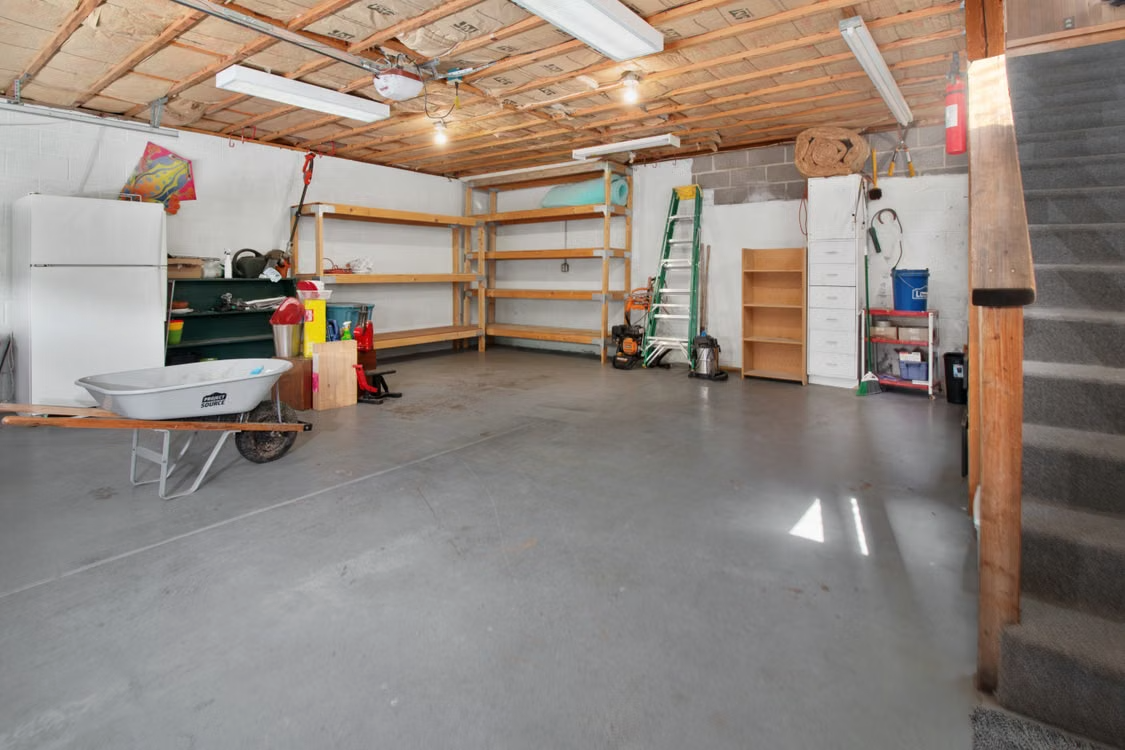
Many homeowners assume a garage is the easiest location for a shelter. However, placement errors can create clearance issues for vehicles or limit access during emergencies. A tight or awkward location may delay entry when seconds matter.
How to avoid:
- Measure the space carefully and allow room for doors to open fully.
- Consider traffic flow and obstacles that could impede access.
- Evaluate alternative interior locations, such as basements or reinforced closets.
3. Clearance and Accessibility Issues
Even when a safe room shelter in Dallas, TX, is properly anchored, insufficient clearance can reduce its usability. Shelves, HVAC units, or plumbing can interfere with entry and exit, as well as storage inside the shelter.
How to avoid:
- Check all surrounding structures and utilities before installation.
- Maintain recommended interior clearance for safe movement.
- Use an experienced builder to plan for both immediate access and long-term usability.
4. Ignoring Slab or Foundation Conditions
Some homeowners overlook the condition of the concrete slab before installation. Cracks, uneven surfaces, or poor-quality concrete can undermine shelter integrity. Retrofitting a shelter onto an unprepared slab may require costly corrections later.
How to avoid:
- Conduct a slab inspection prior to installation.
- Repair or reinforce weak areas before placing the safe room.
- Work with a professional builder familiar with Texas construction standards.
How Safe Room US Protects Your Investment
Are you confident your safe room shelter will perform when a tornado strikes? We help families in Dallas and across Texas install shelters that address these common mistakes. By collaborating with one of the leading safe room companies in Texas, you gain access to expert guidance, FEMA-compliant designs, and careful site assessment.
Our team ensures every tornado safe room in Dallas, TX, meets safety standards, is properly anchored, and fits seamlessly into your home layout.
Contact Safe Room US today to schedule an evaluation and take the first step toward reliable protection for your family.