In Dallas, homes vary widely in layout—from open-concept suburban builds to more compact, segmented floor plans. That variation plays a major role in how a safe room in Dallas is designed and installed.
Unlike a one-size-fits-all approach, safe room construction has to adapt to the structure of the home. Factors like available space, garage configuration, and interior flow all influence what type of shelter will actually work in real conditions.
Why Layout Matters More Than You Think
A safe room isn’t just an add-on—it has to integrate into the home in a way that remains accessible during an emergency. In many Dallas homes, layout determines not only where a safe room can go, but how effective it will be.
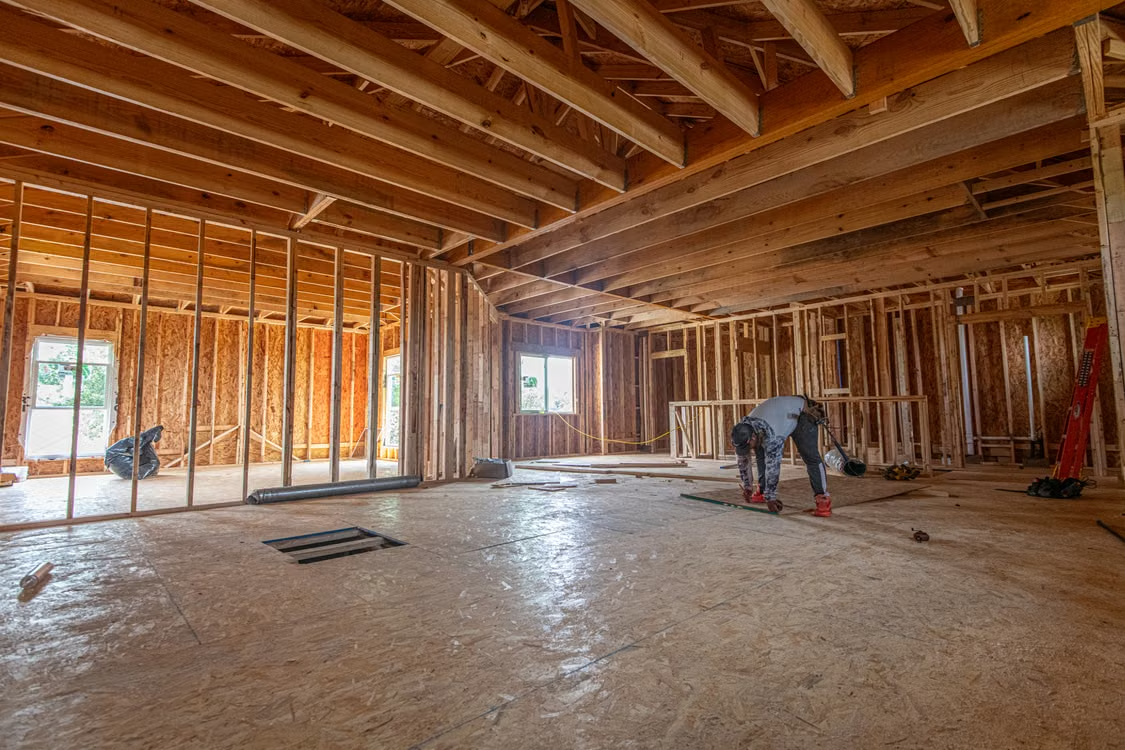
For example, open floor plans may allow for more flexibility in placing storm safe rooms in your house, while more segmented homes may limit installation options to specific areas like garages or reinforced interior rooms.
Garage-Based vs. Interior Placement
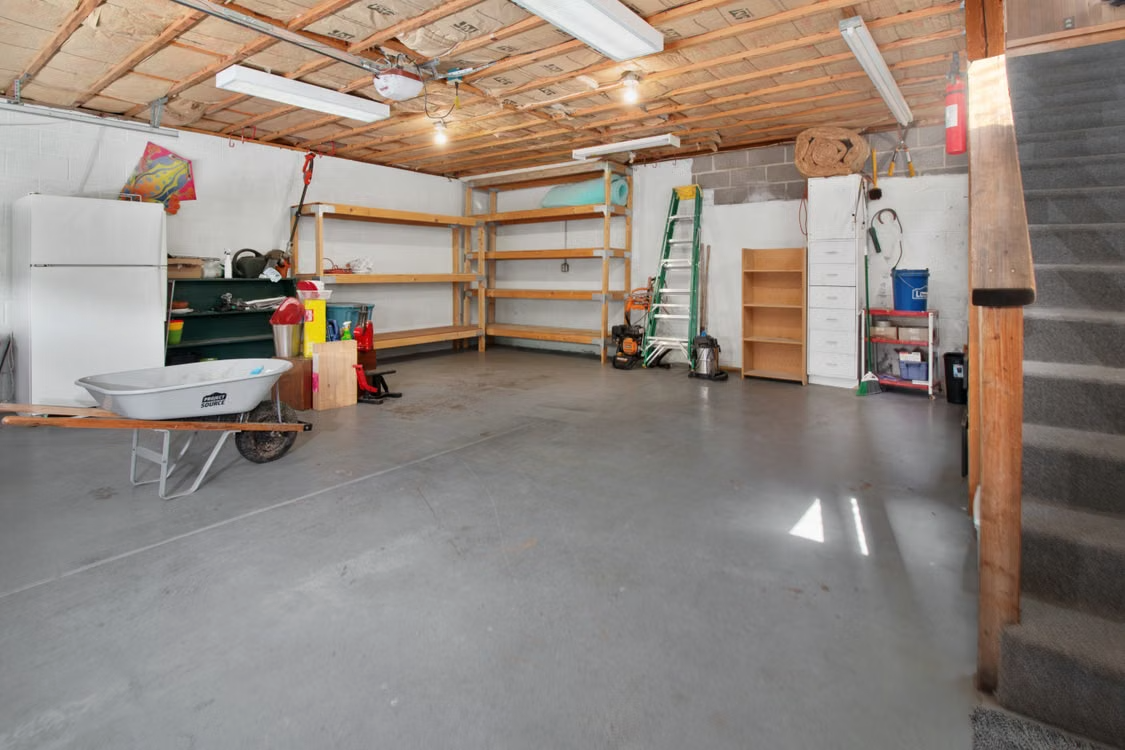
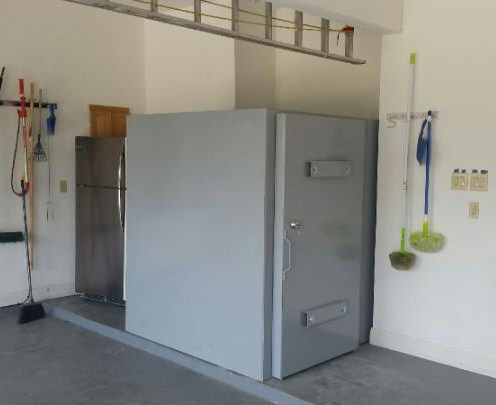
One of the most common decisions homeowners face is whether to install a safe room in the garage or inside the main living space.
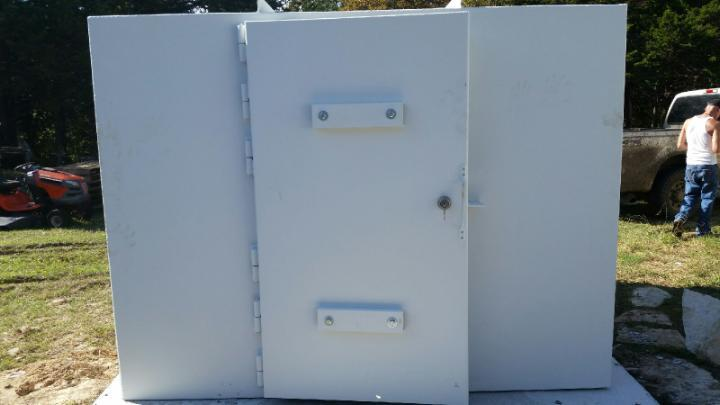
Garage installations are often more straightforward, especially for steel storm shelters, because they can be anchored directly to a concrete slab. However, interior safe rooms offer faster access, especially during nighttime or severe weather conditions when going outside or into a garage may not be ideal.
The choice depends heavily on how the home is structured and how quickly occupants can reach the space.
Space Constraints and Custom Sizing
Not every home has the same amount of available space. Some Dallas properties allow for larger shelters, while others require more compact solutions.
This is where customization becomes essential. A properly designed safe room in Dallas must fit within the available footprint without compromising structural integrity or usability.
Trying to force a standard-sized unit into an incompatible space can lead to poor access, inefficient layout, or installation challenges.
Accessibility Within the Home
Accessibility is just as important as placement. A safe room should be reachable within seconds, not minutes.
In larger homes, especially multi-level layouts, the distance between bedrooms and the safe room becomes a key factor. This is why many homeowners evaluating tornado shelters prioritize locations that minimize travel distance during emergencies.
Adapting Design to Real Living Patterns
Every household uses its space differently. Some families spend most of their time in common living areas, while others rely heavily on upstairs spaces or separated rooms.
Designing a safe room in Dallas means accounting for these daily patterns. The goal is to place the safe room where it naturally aligns with how the home is used—not just where space happens to be available.
This becomes even more important in homes with elderly family members, individuals with disabilities, or pets. Limited mobility, the need for assistance, or the challenge of quickly gathering pets during an emergency can all affect response time. A safe room that requires stairs, tight entry points, or longer travel distances may not be practical in these situations.
For these households, thoughtful placement—such as ground-level access, wider entryways, and proximity to primary living spaces—can make a significant difference.
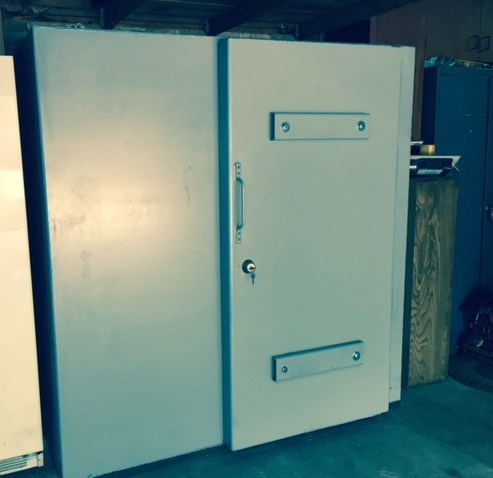
Build Around the Home, Not Against It
Safe room design works best when it complements the home rather than forcing adjustments after installation.
At Safe Rooms US, we evaluate each home’s layout, structure, and usage patterns before recommending a solution. Contact us to plan a safe room that fits your space properly and functions the way it needs to when severe weather hits.