
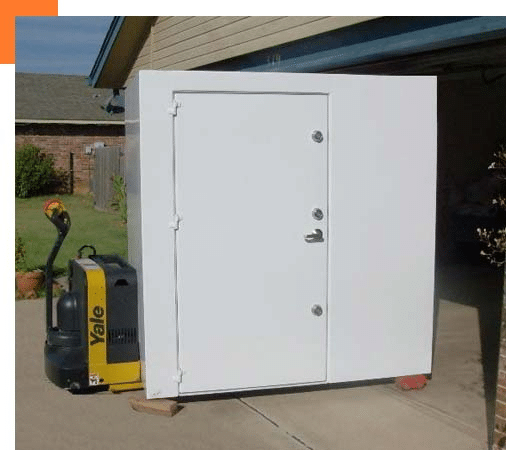
An above-ground shelter can provide serious tornado protection when properly engineered, tested, and anchored. The key question is not simply whether a shelter is above or below ground. It is whether the entire shelter system is designed to resist extreme wind forces and wind-borne debris.
The National Weather Service classifies an EF5 tornado as having estimated three-second wind gusts above 200 mph. The EF rating is based on damage indicators and estimated wind speeds, rather than direct measurements.
What Makes an Above-Ground Safe Room Safe?
For a steel storm shelter in Texas, construction details matter as much as the enclosure itself. The door, floor, ventilation openings, connections, and anchoring system must work together as part of the overall design. FEMA’s safe room guidance addresses another major tornado hazard: flying objects carried by extreme winds. Its residential criteria for a 250-mph design wind speed include testing with a 15-pound 2×4 traveling at 100 mph against a vertical surface. These criteria help assess whether a shelter can withstand the extreme wind forces and debris impacts associated with an intense tornado.
When comparing available options, look beyond appearance and marketing claims. Check for documented testing, durable materials, and reliable anchoring. A shelter’s suitability depends on its complete design and installation, not just its material or appearance.
Why Anchoring Matters
A strong steel enclosure still needs a reliable connection to the foundation. During extreme winds, forces act on the entire shelter, making the connection between the enclosure and concrete slab an important part of the overall system.
Safe Rooms US states that its steel safe rooms use 5-inch-long, 3/4-inch-wide anchor bolts installed at 12-inch intervals, along with a steel floor and steel enclosure. These specifications should be considered alongside the foundation requirements and the performance of the complete shelter system.
When evaluating a steel safe room in Texas, ask how the anchoring system is designed for the intended application. The condition and suitability of an existing slab, or the requirements for a new foundation, also matter.
Accessibility and Placement Advantages
An above-ground storm shelter can offer practical advantages for properties when accessibility and placement are important considerations. It may be easier to reach for occupants who have difficulty using stairs or accessing a below-ground structure. This can be particularly relevant for households with older adults or family members with mobility limitations.
Above-ground placement may also be practical where excavation presents challenges. However, flood exposure, site conditions, access requirements, and available space should all be considered when choosing a location. The safest option depends on the shelter’s design, installation, and suitability for the property rather than its position above or below ground alone.
Choosing the Right Shelter for Your Home
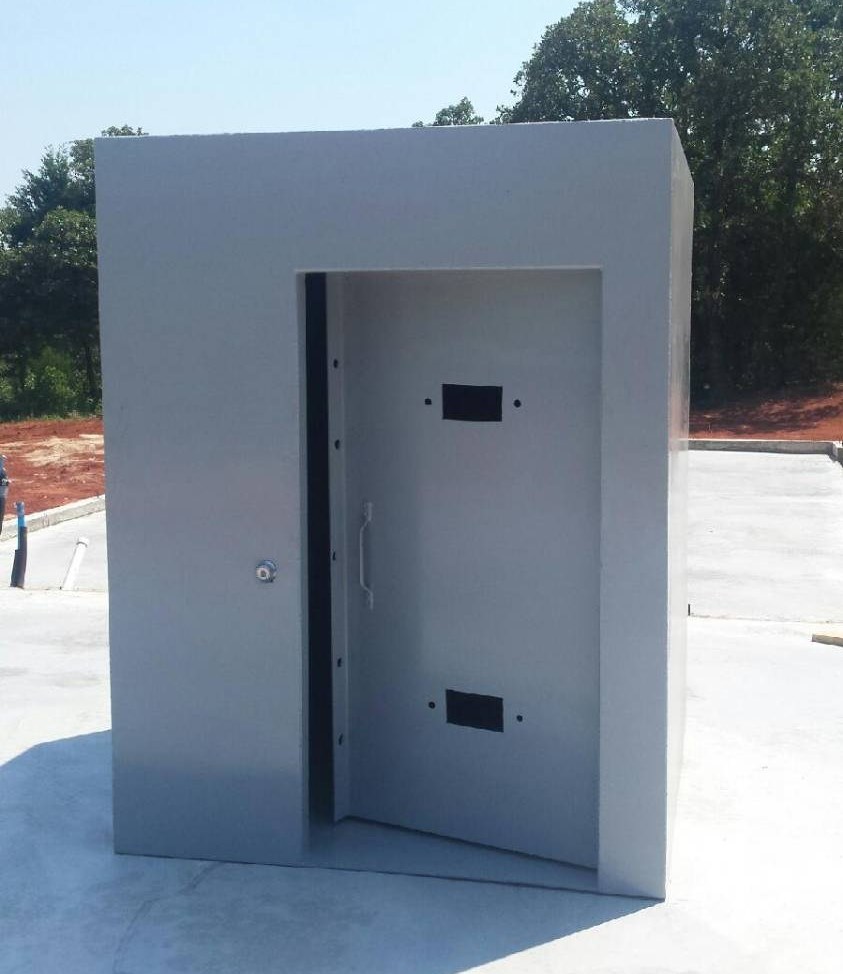
Whether you are considering a tornado safe room in Dallas, Arlington, or Fort Worth, TX, focus on the shelter’s design, placement, access, and anchoring requirements. Available space, foundation conditions, household needs, and intended use should all be considered before selecting an option.
Look for documented evidence that the shelter meets the relevant design and testing criteria for its intended use. A properly selected shelter should suit both the property and the people who will use it. Reviewing these factors in advance can help determine whether an exterior unit, garage placement, or another configuration is practical.
Take the Next Step
Don’t wait until severe weather is approaching to decide where your family will take shelter. Explore our Texas safe room options or contact us today to discuss a safe room for your home or business.