Fort Worth sits in North Texas, a region frequently impacted by severe thunderstorms and tornado-producing storm systems. Spring and early summer often bring fast-moving weather events that intensify quickly across Tarrant County.
In densely built neighborhoods, warnings can cover large sections of the city at once — leaving families only minutes to respond. During those moments, access to a properly placed storm shelter in Fort Worth can determine how quickly protection becomes available.
Structural strength matters. But response speed determines whether that protection can be used in time.
Why Lead Time Changes Everything
According to the National Weather Service, the average tornado warning lead time in the United States often ranges between 8 and 15 minutes. This window must account for recognizing the alert, gathering family members, and moving through the home to reach protection. In larger or multi-story Fort Worth homes, the time it takes to travel from bedrooms, living areas, or upper floors can quickly reduce that margin.
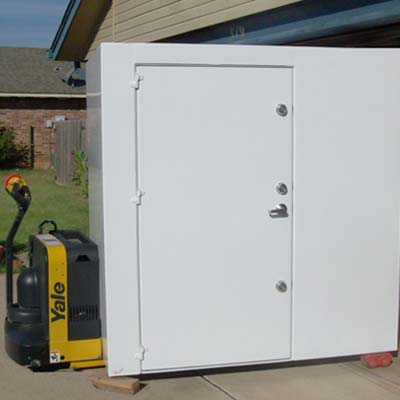
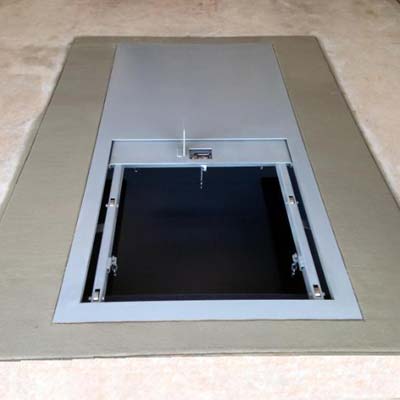
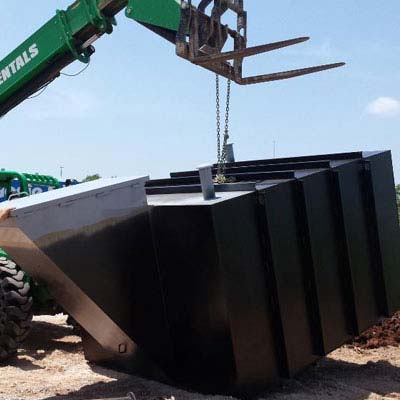
A properly designed storm shelter reduces delay by offering immediate access from high-traffic areas of the home. Whether evaluating a traditional tornado shelter or a reinforced above-ground system, speed of entry should remain the priority.
Immediate Access Design Matters
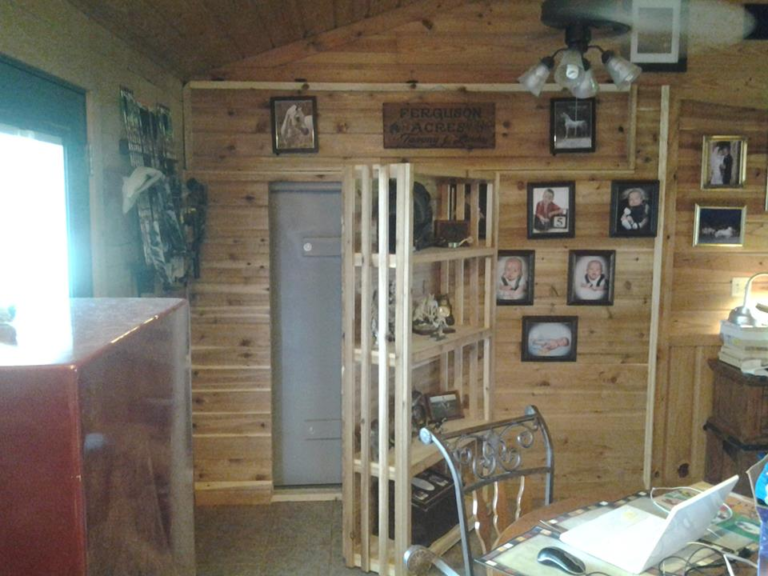
Access should never require going outdoors, unlocking detached structures, or navigating obstructed pathways.
FEMA’s Residential Safe Room guidance outlines design and construction standards for residential shelters, emphasizing both structural performance and usability under emergency conditions. A properly planned storm shelter in Fort Worth supports direct entry, fast closure, and safe occupancy without hesitation. Homeowners comparing different storm shelters should evaluate accessibility just as closely as wind ratings.
Interior Layout and Movement Efficiency
An effective shelter includes clear space near the entrance, enough room for multiple occupants to enter at once, locking mechanisms that operate smoothly under pressure, and ventilation systems designed for safety without interfering with closure.
When comparing a safe room shelter to other reinforced interior areas of the home, layout efficiency often becomes the deciding factor in real-world performance.
Built for Fort Worth Conditions
Fort Worth experiences recurring severe thunderstorm activity, including high-wind events capable of producing tornado-force gusts. Above-ground steel systems engineered for extreme wind resistance provide dependable protection when installed correctly.
However, performance depends on more than steel thickness. A storm shelter in Fort Worth must combine immediate accessibility, efficient interior layout, and proper anchoring to function effectively during a warning.
Plan for Speed Before the Storm
A shelter should never require improvisation during an emergency. Its location, entry point, and interior layout should already support fast, confident movement when a warning is issued.
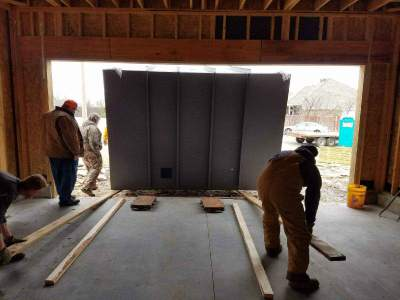
Safe Rooms US designs and installs above-ground steel storm shelters tailored to the layout of each home. We focus on access efficiency, proper anchoring, and practical usability — not just wind ratings on paper.
If you’re evaluating a storm shelter in Fort Worth, give Safe Rooms US a call to discuss your home’s layout and response strategy. We’ll help you plan a shelter that’s engineered for strength and positioned for immediate access when every second counts.