
Storm Shelter Resources

Welcome to the Safe Rooms blog, your trusted resource for severe weather protection, storm shelter technology, and home defense solutions. From navigating FEMA guidelines and comparing above-ground vs. underground storm shelters to expert tips on emergency preparedness, our articles provide the actionable insights you need to protect what matters most. Whether you are planning a custom safe room installation or preparing your family for tornado season, explore our latest guides to build lasting security and peace of mind.

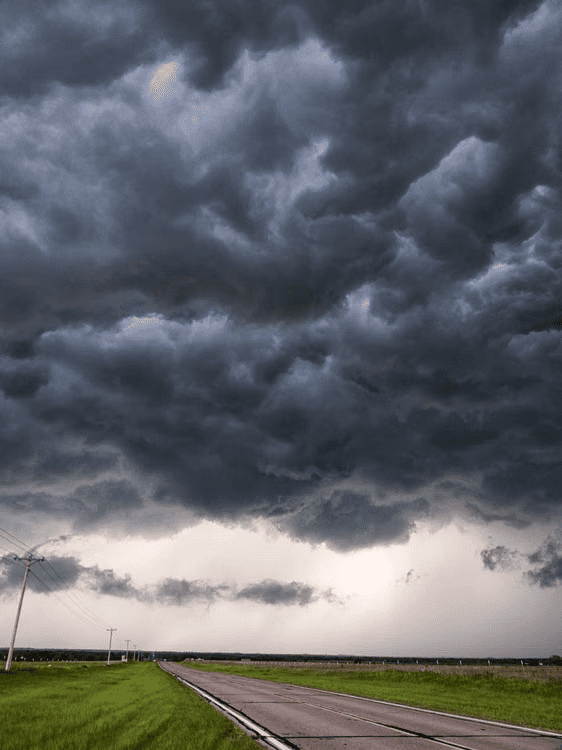
Dark storm clouds gathering over an Oklahoma roadway before severe weather.
Blog

Don’t Let Your Guard Down: Why July Storms Still Catch Oklahoma Families off Guard

Many homeowners associate tornado season with spring, but severe weather doesn’t end once summer begins. July often brings powerful thunderstorms, damaging winds, large hail, flash flooding, and even occasional tornadoes across Oklahoma. Although many families become less alert after spring, the risk of severe weather remains. Having a reliable Oklahoma storm shelter provides dependable protection when severe weather develops unexpectedly. However, protection depends on more than simply owning a shelter—ongoing maintenance and emergency planning are just as


Read More »
An engineered above ground storm shelter installed in a Texas backyard beneath dark storm clouds.
Blog

Why the Basement Isn’t Always the Safest Place during a Tornado

When tornado sirens sound, many people instinctively head for the basement because it’s advice they’ve heard for years. Unfortunately, some of the most common tornado safety myths can create a false sense of security. Whether you’re researching Fort Worth tornado shelters or looking for better protection in North Texas, an engineered above ground storm shelter offers a level of protection that basements and interior rooms simply can’t match. NOAA’s Storm Prediction Center is blunt about it: there’s

Read More »
Residential neighborhood beneath dark storm clouds before severe summer weather.
Blog

Summer Storms in North Texas: Is Your Safe Room Ready?

Summer in North Texas brings more than high temperatures. Powerful thunderstorms, damaging winds, hail, and tornadoes can develop quickly, leaving homeowners with little time to prepare. For families across Dallas, Fort Worth, and nearby communities, having storm safe rooms in North Texas is only part of staying safe. Regular inspections help ensure your shelter is ready when severe weather strikes. Why Summer Storms Are a Serious Concern in North Texas North Texas experiences unpredictable summer weather.

Read More »
A safe room for older homes installed inside a converted garage bay.
Blog

How to Fit a Safe Room into an Existing Older Home Layout

Many homeowners think an older house can’t accommodate modern storm protection—but that’s far from the truth. A safe room for older homes can be professionally integrated into existing layouts, and homeowners looking for custom safe room solutions often have more options than they expect. Start With Access Points Before you settle on a size, look at how your family actually moves through the house. Older homes often have narrow hallways, tight garage clearance, or bonus rooms

Read More »
Above-ground safe room built beside a Texas home beneath dark storm clouds, illustrating fast access to shelter during severe weather.
Blog

Why Above-Ground Safe Rooms Make Sense for Texas Homes

One minute the sky over Dallas-Fort Worth is clear; the next, the sirens are sounding, and you have only minutes to spare. Tornadoes, hail, and damaging straight-line winds are simply a fact of life in Texas, and traditional basements aren’t an option for many homes built on a slab foundation. That’s why more families are turning to above-ground safe rooms and storm shelters in Dallas for protection that’s quick to reach and engineered to last. The

Read More »

What to Consider Before Installing a Tornado Shelter in Your Home

Trying to put together a solid storm safety plan can feel overwhelming, and it often leaves homeowners feeling stuck. It is easy to overlook a few critical layout details early on, which usually leads to stressful installation delays, unexpected city fines, or ending up with a room that is simply too small for the whole family. Every home has its own structural quirks, meaning you have to figure out how to balance your actual floor space

Read More »

How Tornado Safe Rooms Are Built: Materials, Standards, and Engineering

The greatest danger during severe meteorological events comes from flying objects, as extreme vortex winds turn ordinary backyard items into lethal projectiles traveling over 100 mph. Surviving an EF5-rated storm demands a specialized structural hideout engineered to withstand severe physical trauma and localized pressure drops. Installing a certified, impact-tested tornado safe room resolves this architectural vulnerability by introducing an impenetrable barrier capable of deflecting hazardous debris fields. So what specialized engineering techniques and heavy-duty materials turn a

Read More »

Understanding Tornado Shelter Types: Underground vs Above-Ground Safe Rooms

When severe weather sirens sound, confusion regarding your family’s survival plan can lead to catastrophic consequences. Homeowners living in volatile weather paths frequently face intense anxiety because they do not know which structural defense best matches their property layout. Traditional residential rooms fail to withstand extreme atmospheric forces, forcing families to choose between subterranean defense and above-ground reinforcement. Selecting a non-certified emergency solution leaves your household highly vulnerable to structural collapses and flying projectiles. Investing in

Read More »

Why Tornado Shelters Are Essential for Home Safety in High-Risk Areas

Tornadoes form rapidly when extreme atmospheric instability forces warm, moist air to collide with cold, dry air, creating violent rotating columns of wind. Standard residential framing is made up of wood siding and brick veneers that are simply not engineered to withstand these immense forces or the crushing impact of flying debris. According to real-life statistics, hundreds of people suffer severe injuries and fatalities annually when traditional home structures fail during severe storms. Relying on basic

Read More »