
When tornado sirens sound, many people instinctively head for the basement because it’s advice they’ve heard for years. Unfortunately, some of the most common tornado safety myths can create a false sense of security. Whether you’re researching Fort Worth tornado shelters or looking for better protection in North Texas, an engineered above ground storm shelter offers a level of protection that basements and interior rooms simply can’t match.
NOAA’s Storm Prediction Center is blunt about it: there’s no such thing as guaranteed safety inside a structure that wasn’t built to shelter standards — exactly why an engineered shelter beats a spot that merely feels safe.
The Basement Isn’t Automatically Safe
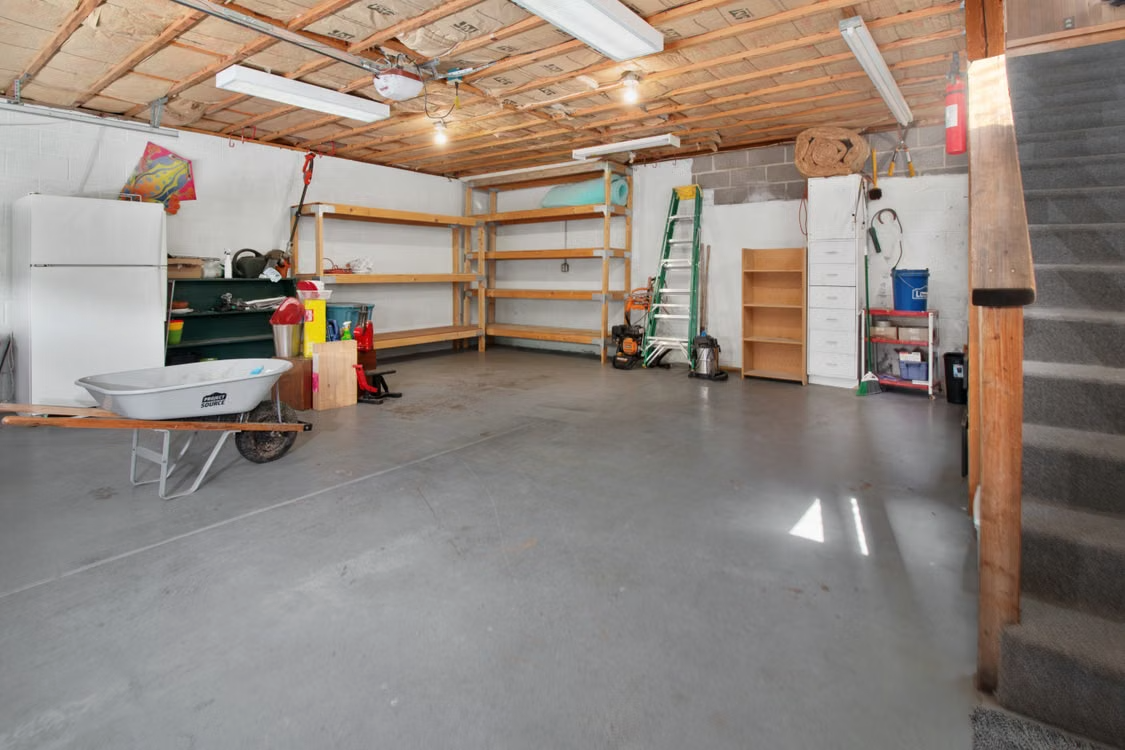
A basement puts a wall of dirt between you and the wind, but dirt alone won’t stop debris that comes crashing down through a weakened floor above. Older basements were rarely engineered to resist an EF5’s wind-borne missiles. A basement corner beats an open room, sure, but it isn’t the same as a certified storm shelter tested by engineers against real debris impact.
Why Windowless Interior Rooms Fall Short
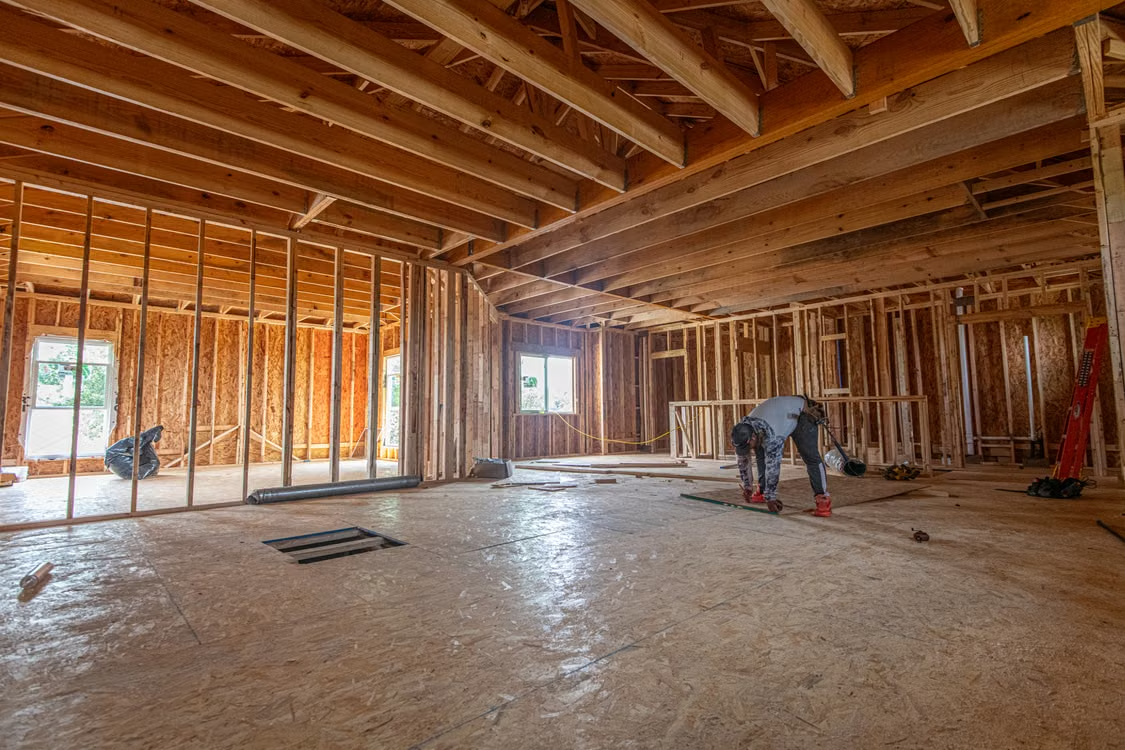
The next-best advice — an interior closet or hallway with no windows — has the same weak spot: it depends entirely on the surrounding structure holding together. Standard framing and drywall aren’t built to resist 200-mph winds, so an interior room only protects you as long as the roof and walls around it stay intact. A steel storm shelter is a different category altogether, engineered to remain standing when everything around it doesn’t.
What an EF5 Actually Does to a Structure
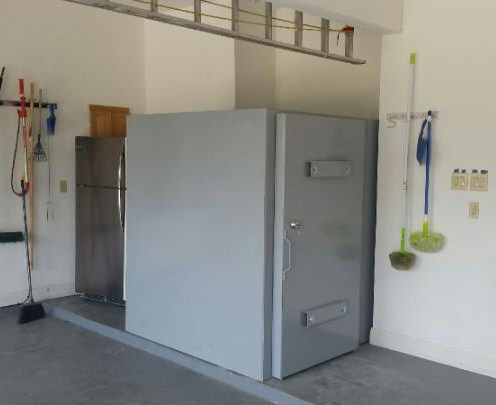
An EF5 tornado can generate wind speeds over 200 mph — enough to peel a roof off a well-built home and turn ordinary yard debris into high-speed projectiles. That’s the exact scenario a FEMA-compliant safe room in Texas is built and tested for, using debris cannons that fire two-by-fours at wall panels to confirm they won’t breach. An above ground safe room meets that same standard, whether it sits in a garage, a closet, or stands alone in the yard.
Choose Engineered Protection
None of this means a basement is a bad choice if it’s what you have during a warning — it means a basement shouldn’t be your only plan if you live in a high-risk area. Businesses, HOAs, and neighborhoods across North Texas have started installing our community storm shelters to give multiple families reliable protection in one location, and FEMA’s safe room resources page outlines exactly what separates a certified shelter from a section of the house that simply feels safe.
Don’t wait for the next warning to find out your basement isn’t enough. Explore our steel storm shelter options at Safe Rooms US, compare Fort Worth tornado shelters, and request your free quote for a FEMA-compliant safe room in Texas today.