Both above-ground and underground shelters are built to withstand the same extreme wind loads, so protection level usually isn’t what separates them.
What actually varies is how each option fits your property, your daily routine, and how quickly you can reach it.
Here’s how an above-ground safe room in Texas compares to a traditional underground shelter across the factors that matter most.
Accessibility
Reaching your shelter quickly matters more than almost anything else during an active warning, and this is where an above-ground storm shelter usually has the edge.
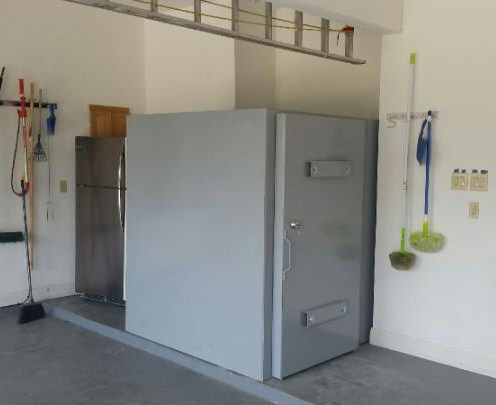
- Above-ground:Entered at ground level, often directly from a garage or hallway
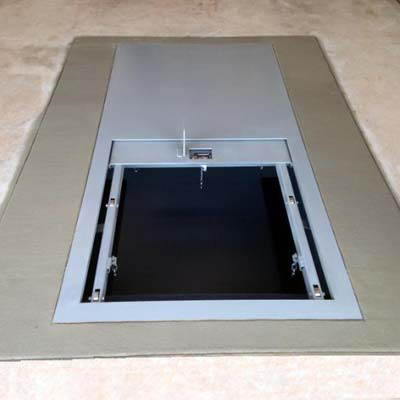
- Underground:May require going outside or down a separate set of stairs, which is slower and harder for anyone with mobility limitations
- Wheelchair accessibility:Above-ground doors can be built wider and closer to level ground, which underground entries rarely match
Installation Considerations
Above-ground units, including most steel safe room models, generally install faster and with less disruption to your property.
- Above-ground:Anchored directly into an existing slab, often complete within a day
- Underground:Requires excavation, drainage planning, and sometimes permits that add time before installation even begins
- Permitting:Underground installation more often requires a permit review, depending on your city’s building codes
Available Space
Available square footage on your property often decides this question before personal preference even comes into play, especially for an above-ground storm shelter in Texas sized to fit a specific spot.
- Above-ground:Fits inside an existing garage, utility room, or a small footprint outdoors
- Underground:Needs enough clear yard space away from trees, utility lines, and the foundation itself
- Flexibility:An above-ground unit can often be relocated later if you move or renovate, unlike a poured underground shelter
Everyday Convenience
A shelter you’ll only use a handful of times a year still affects daily life in small ways.
- Above-ground:Doubles easily as extra storage space between storms
- Underground:Stays out of sight, but the entry point is exposed to weather and yard traffic year-round
- Maintenance:Steel above-ground units are easier to inspect for rust or wear than a buried underground structure
Not Sure Which Fits Your Property? We Can Help
Whether you’re leaning toward an above-ground safe room in Texas or still weighing an underground option, the right choice depends on your specific lot, budget, and how your household actually plans to use the space. At Safe Room US our team walks through both options honestly, including the trade-offs, rather than pushing whichever is easier to install.
We’ve helped families weigh this decision everywhere from a tornado shelter installation in Fort Worth to properties much farther south, and the same steel construction backs every above-ground storm shelter in Texas we build. Reach out for a free quote, and we’ll help you compare both options side by side before you commit to either one.