When homeowners evaluate storm protection systems, strength often becomes the first concern. However, not all threats during severe weather come from wind alone. Flying debris can be one of the most dangerous forces during a tornado or major storm event. However, there are numerous ways you can get injured by a storm. That is why safe room testing plays such an important role in determining how well a shelter may perform in real conditions.
For families considering a safe room, understanding debris impact standards can help them make a more informed decision about long-term protection.
Why Debris Impact Matters
During tornadoes, loose objects such as lumber, metal, branches, and outdoor equipment can become dangerous projectiles. Even smaller items may strike structures with tremendous force when carried by high winds. This means a shelter must do more than remain standing. It should also resist penetration and structural failure when debris impacts doors, walls, and critical connection points. That is why safe room testing often focuses heavily on simulated projectile impact.
How Safe Rooms Are Tested
Manufacturers and engineers use controlled testing methods to evaluate how shelters perform under severe conditions. These tests may involve launching materials at high speed toward shelter walls and doors to simulate tornado debris.
For homeowners comparing storm safe rooms, this testing provides valuable insight into whether a system has been engineered for real-world threats rather than appearance alone.
Testing may review:
- Wall resistance
- Door strength
- Frame integrity
- Anchoring performance
- Latch and hinge durability
Doors Are a Critical Weak Point
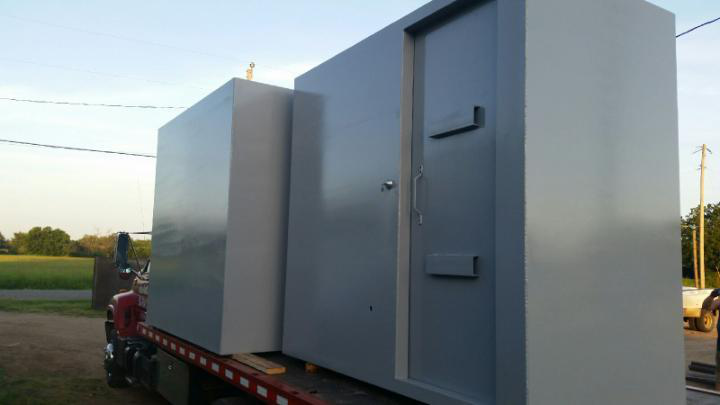
Even strong shelter walls can be compromised if the door system fails. That is why entry doors are among the most heavily tested components of many shelters.
Families exploring a tornado safe room should pay attention to door construction, locking systems, and reinforced frames. A secure door helps preserve the protective envelope of the shelter during high-impact events.
Impact Testing Supports Long-Term Reliability
A shelter is only as dependable as its weakest component. Repeated testing helps manufacturers identify design improvements that strengthen doors, frames, wall panels, and connection points over time. For homeowners researching steel storm shelter options, tested performance can offer added confidence that the system has been engineered for demanding storm conditions rather than appearance alone.
Why Testing Builds Confidence
Debris testing gives homeowners measurable evidence that a shelter has been built to perform under pressure. Instead of relying on marketing claims alone, testing standards offer a clearer picture of real safety potential.
This is especially important for those researching storm shelters who want dependable protection for their family.
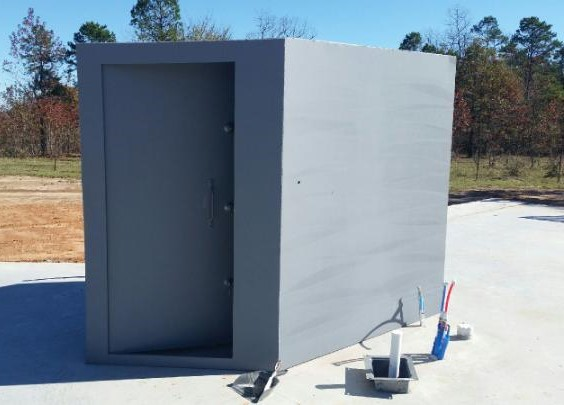
We Help Families Choose Tested Storm Protection
We help homeowners evaluate shelter systems designed for durability, structural strength, and proven safe room testing performance. At Safe Rooms US, we guide customers through reinforced safe rooms, custom-built solutions, and practical storm protection options tailored to residential needs. Call now for above ground safe room in Texas.