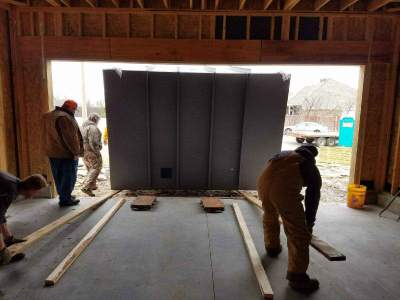
People assume storm protection is only about thick walls and strong doors. While those features matter, pressure forces during tornadoes and severe storms can also place enormous stress on buildings. Understanding how shelters respond to those forces helps explain the importance of true safe room safety.
How Pressure Changes Affect Structures
During severe storms, wind moving rapidly around a structure can create pushing and pulling forces. This pressure may stress roofs, walls, doors, windows, and connection points throughout a home. When structural components fail, falling debris, shattered glass, and collapsing materials can create serious injury risks for occupants inside the home.
Traditional structures may experience damage when these forces exceed design limits. A properly built shelter is engineered to resist those same changes more effectively, helping reduce exposure to structural hazards during extreme weather.
Why Safe Rooms Perform Differently
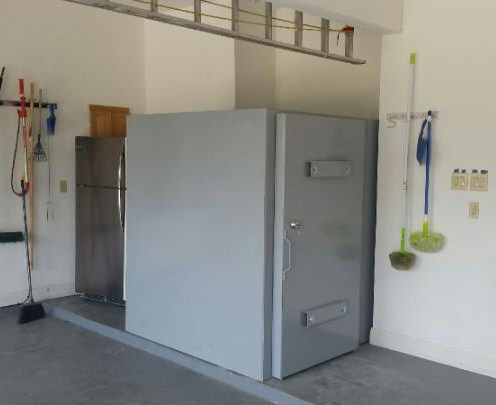
A shelter designed for safe room safety uses reinforced materials, secure anchoring, and strong door systems that help the structure remain stable during sudden pressure shifts. For homeowners exploring storm safe rooms, these engineering details are often what separate dedicated shelters from ordinary interior rooms.
Pressure Resistance Depends on the Whole System
Safe room performance is not based on one feature alone. Walls, roof panels, door frames, hinges, anchors, and internal connections must all work together to resist sudden force changes.
This is why homeowners comparing a safe room shelter often benefit from looking at overall construction quality rather than just wall thickness.
Doors and Anchoring Matter Most
Pressure forces often target openings and weak connections first. That is why safe room doors, hinges, locking systems, and anchoring methods are so important.
Families researching a tornado shelter should understand that overall performance depends on how every component works together.
Interior Stability During Severe Weather
Inside a properly built shelter, occupants are protected by a reinforced structure designed to remain stable while outside pressure changes occur rapidly. While noise from wind or debris may still be noticeable, the shelter itself is engineered to maintain structural integrity.
For families considering steel storm shelter options, this interior stability can provide valuable reassurance during severe weather events.
Peace of Mind Through Engineering
Knowing that a shelter has been designed for both impact resistance and pressure forces can give families greater confidence during storm season.
Those comparing storm shelter or tornado shelter options often focus on this level of dependable structural protection.
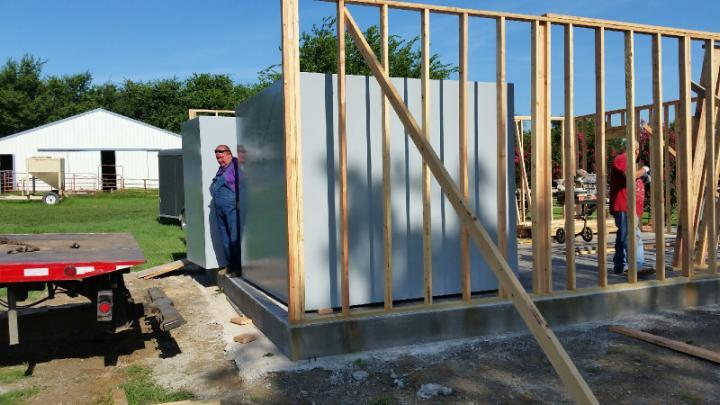
We Help Improve Safe Room Safety
We help homeowners choose shelter systems designed for real safe room safety, including reinforced rooms, storm shelters, and custom residential solutions. At Safe Rooms US, we guide customers through practical protection options based on layout, access, and long-term readiness. If you are considering a safe room in Texas and surrounding communities, we encourage you to contact us for expert guidance.