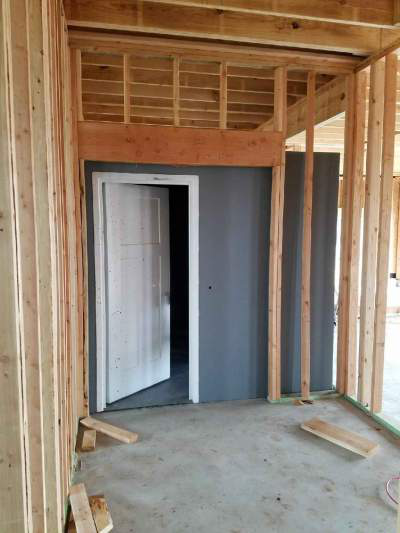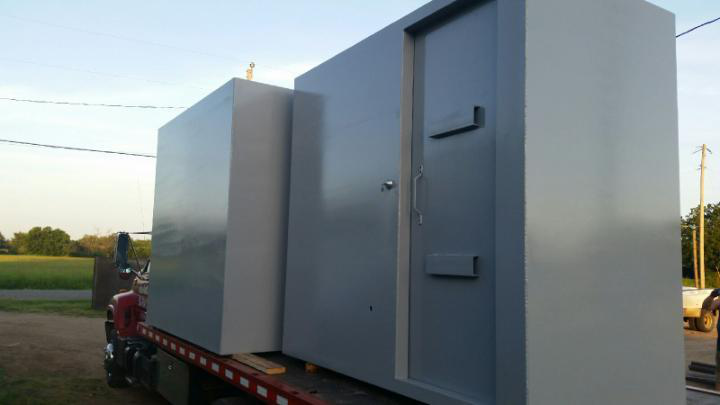

Many homeowners want storm protection that also serves a practical purpose year-round. A well-designed residential safe room can function as more than an emergency shelter space. It may also be used as a closet, storage room, utility area, or organized household space while still maintaining protective performance.
For families interested in a safe room, multi-purpose designs can add convenience without sacrificing readiness.
Why Multi-Purpose Rooms Appeal to Homeowners
Unused space is a common concern in residential design. Some homeowners hesitate to install a shelter if they believe it will remain empty most of the year.
A residential safe room solves that issue by allowing the space to serve everyday needs while remaining available during severe weather. This can make the investment feel more practical and integrated into daily life.
Common Uses for Safe Rooms
Depending on the layout and available square footage, many homeowners use these spaces as walk-in closets, pantry storage, utility rooms, home organization areas, or secure storage for valuables. The goal is to make the room useful every day while keeping it ready for emergencies.
Families researching storm shelters often appreciate that a shelter can provide value well beyond storm season.
Everyday Function Should Support Readiness
The best multi-purpose shelters are designed so that daily use does not interfere with emergency access. Homeowners should be able to enter quickly, close the door easily, and use the space without moving bulky items first.
For families comparing storm safe rooms, this balance between convenience and readiness can make the shelter far more practical over time.
Design Features That Protect Safety
A multi-purpose room should never lose its primary role as a protective structure. Reinforced walls, tested doors, proper anchoring, and clear interior access remain essential to long-term performance.
For homeowners comparing a safe room shelter, smart design often includes organized shelving, clutter control, and enough open floor space for emergency occupancy. The room should transition quickly from daily use to storm shelter mode whenever needed.
Smart Storage Makes a Difference
Storage features should improve the room rather than create obstacles. Built-in shelving, wall-mounted organization systems, and clearly designated storage areas can help homeowners keep the room functional while preserving open floor space.
This is especially helpful for homeowners considering steel storm shelter options, where efficient interior planning can improve comfort and usability.
Avoiding Common Mistakes
One of the most common mistakes is allowing storage to block access or overcrowd the room. Heavy shelving installed improperly or stacked items near the door can reduce usability during an emergency.
That is why homeowners benefit from professional planning that balances everyday convenience with dependable storm readiness.

We Help Design Residential Safe Room Solutions
We help homeowners create practical residential safe room spaces that combine daily function with dependable protection. At Safe Rooms US, we guide customers through layouts that work as storage, utility, or closet space while remaining storm-ready. If you are considering a safe room in Dallas, we encourage you to contact us for expert recommendations.