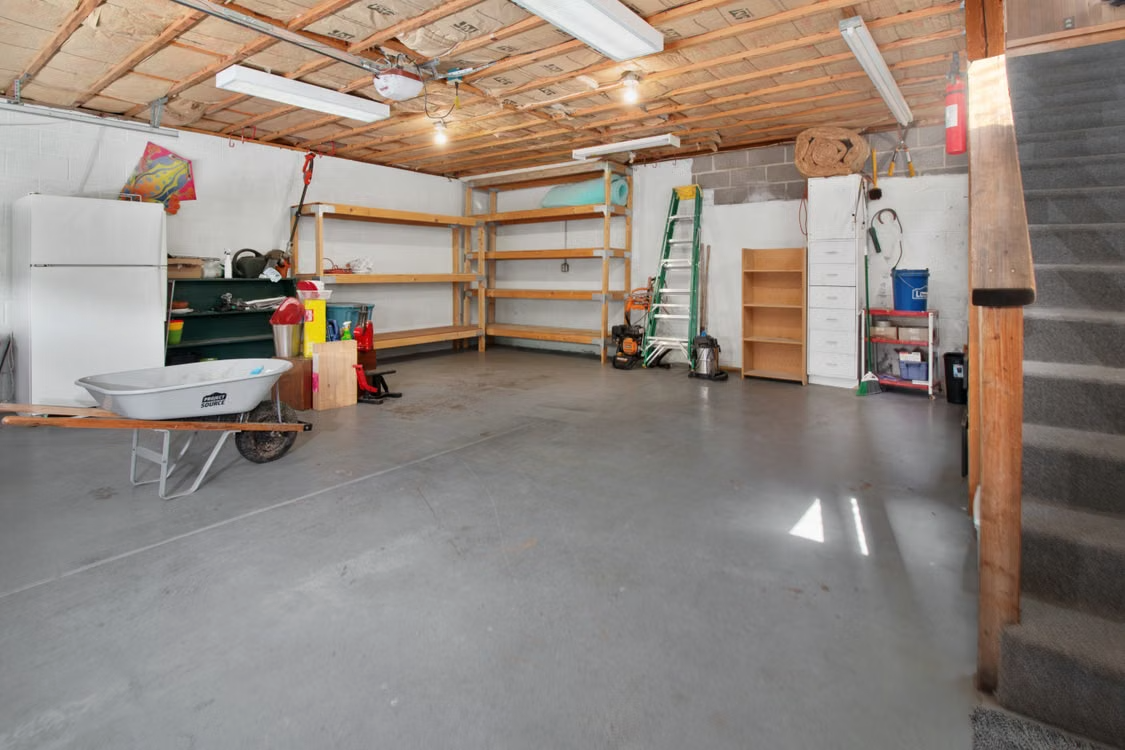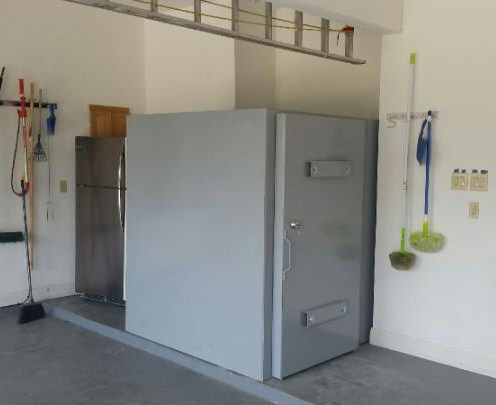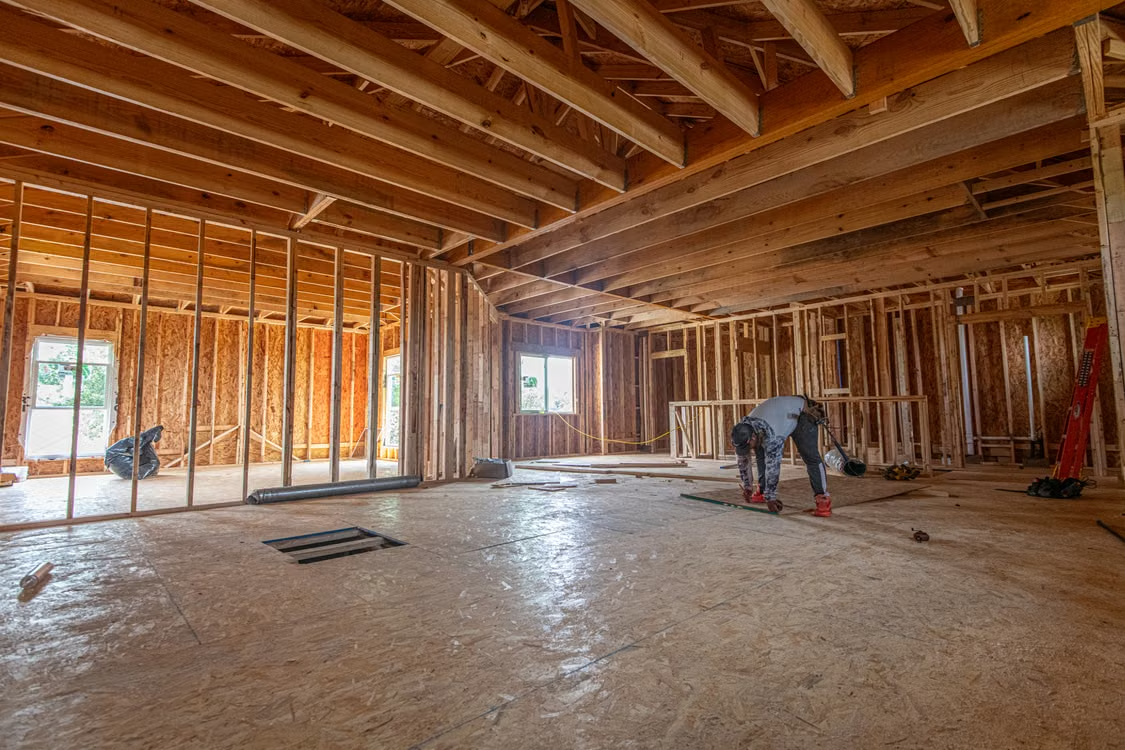

The greatest danger during severe meteorological events comes from flying objects, as extreme vortex winds turn ordinary backyard items into lethal projectiles traveling over 100 mph. Surviving an EF5-rated storm demands a specialized structural hideout engineered to withstand severe physical trauma and localized pressure drops. Installing a certified, impact-tested tornado safe room resolves this architectural vulnerability by introducing an impenetrable barrier capable of deflecting hazardous debris fields. So what specialized engineering techniques and heavy-duty materials turn a standard structural footprint into a life-saving fortress? Let’s break it down.
Exploring the Heavy-Duty Materials That Keep You Safe
Defending against extreme atmospheric vortexes requires materials that handle immense structural loads and devastating physical impacts. Fabricating an advanced steel storm shelter relies on using heavy-gauge, quarter-inch-thick steel plates welded to solid structural channel frames to neutralize immense wind pressures. These industrial-grade steel panels absorb the crushing kinetic energy of flying debris, preventing sharp objects from breaching the protective envelope.
Utilizing a dense concrete shelter provides a massive, rigid barrier that uses its sheer physical weight and structural density to deflect high-velocity projectiles. Integrating a premium tornado safe room directly into your building layout ensures these specialized materials function together as a unified system under extreme stress.
The Engineering Standards That Anchor Your Protection
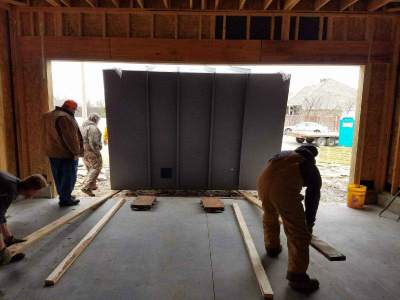
Surviving extreme windstorms requires a safety unit to remain perfectly stationary while external residential walls collapse around it. Constructing a certified tornado safe room requires drilling heavy-duty industrial anchor bolts directly into a reinforced, solid concrete foundation pad to completely stop wind-induced lifting forces. These structures feature commercial-grade vault doors engineered with three massive locking points and heavy steel hinges that prevent the entry barrier from buckling inward under intense localized pressure drops. Furthermore, every single weld, seam, and hardware component must strictly align with rigorous FEMA P-361 engineering guidelines to ensure total structural continuity under immense lateral wind loads.
How Strict Impact Testing Guarantees Real Security
Deploying a storm shelter guarantees that your emergency space has survived tests where heavy wooden beams are fired at 100 mph directly into the walls and doors. For properties with restricted indoor dimensions, selecting highly adaptable custom safe rooms that have been tested for impact from tornadoes allows you to seamlessly integrate a compact safety zone inside a garage corner, master closet, or mudroom without changing your home’s exterior aesthetic. These flexible engineering footprints allow homeowners to install an independent tornado safe room that matches their exact spatial availability while providing maximum life-saving defense.
Let Safe Rooms US Defend Your Property
Securing your household against unpredictable, destructive weather patterns requires proven manufacturing precision and top-tier materials. At Safe Rooms US, we possess specialized industry experience with building, customizing, and installing state-of-the-art tornado safe rooms in Fort Worth, TX, that strictly comply with FEMA safety criteria.
Our dedicated installation professionals secure your structure with total technical accuracy, providing a rapid-access defensive shield designed to last for generations. Reach out to us today to explore our customizable size profiles and obtain a free installation estimate from our team before severe storm systems threaten your neighborhood.