Installing a safe room in an older home can be one of the smartest ways to improve storm protection, but the process often requires more planning than it would in a newer house. Older homes may have different foundations, framing styles, and space limitations that directly affect how a safe room installation should be approached. While many older homes can be upgraded successfully, retrofitting usually requires customized planning to ensure long-term safety and structural compatibility.
Homeowners looking for a safe room in Dallas often discover that the age and condition of the home play a major role in determining the best shelter option.
Why Older Homes Need a Different Approach
Numerous older homes were built before modern storm protection standards became common. Foundations may be thinner, wall framing may differ from current construction methods, and available rooms may not provide an ideal space for a reinforced shelter. These houses are highly prone to damage.
Due to this, every safe room installation should begin with a careful structural review. Contractors may inspect slab thickness, anchoring opportunities, wall connections, and how the shelter can be integrated into the home without affecting surrounding structural areas.
This additional planning helps ensure the shelter performs reliably when severe weather strikes.
Foundation and Anchoring Challenges
One of the most important factors in retrofitting older homes is the existing foundation. Some homes sit on slab foundations, while others use crawl spaces or raised systems that require different installation methods.
For homeowners researching storm safe rooms, foundation strength often determines whether an interior safe room, garage shelter, or detached structure is the best fit. Anchoring is critical because the shelter must remain secure during high winds and pressure changes.
If needed, foundation reinforcement may be recommended before installation begins.
Layout Limitations in Older Homes
Older homes often have smaller closets, narrower hallways, and segmented floor plans that limit placement options. However, modern shelter systems can often be adapted creatively to fit available space.
Possible retrofit solutions may include:
- Converting a closet into a shelter area
- Reinforcing a utility room
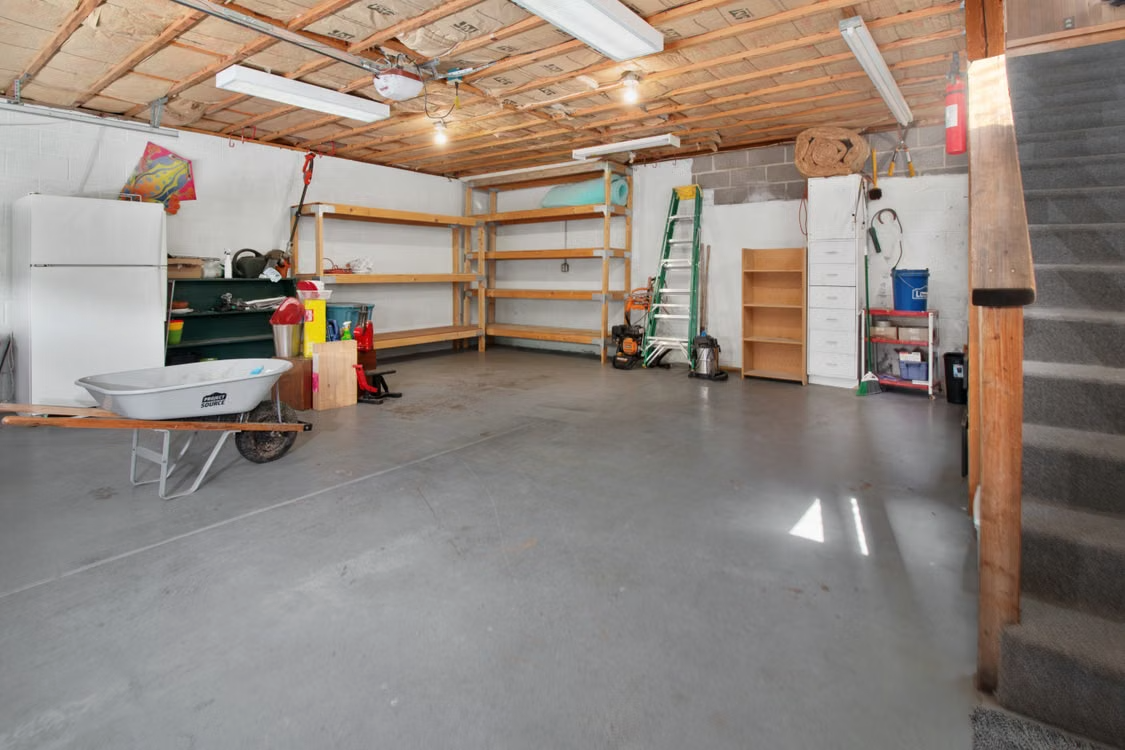
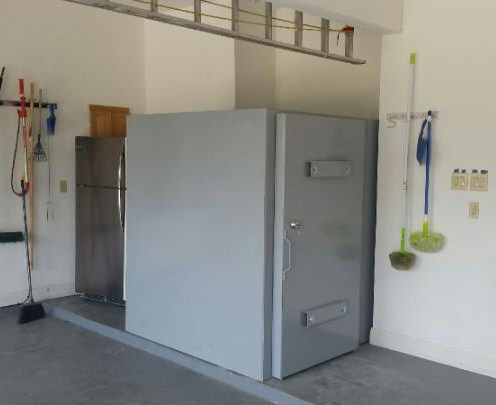
- Using garage space for installation
- Adding a nearby detached shelter
Families exploring a safe room shelter often find that customized designs can work well even in homes with tighter layouts.
Material Compatibility Matters
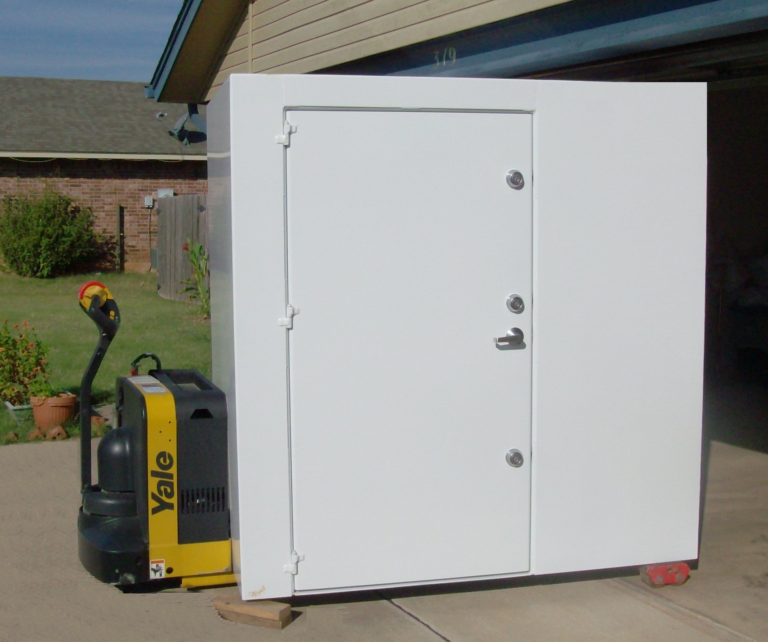
Retrofitting also requires connecting modern reinforced materials to older construction safely. Steel framing, impact-rated doors, and upgraded anchors must work with the home’s original structure.
This is why homeowners considering a steel storm shelter should choose experienced professionals who understand retrofit conditions. Every property is different, and customized planning helps prevent installation issues later.
Why Retrofitting Can Be a Smart Investment
Although older homes may require more preparation, adding a shelter can significantly improve long-term readiness and peace of mind. Many families prefer upgrading their current home rather than waiting for future construction opportunities.
Homeowners comparing storm shelter solutions often find retrofitting to be a practical and valuable investment.
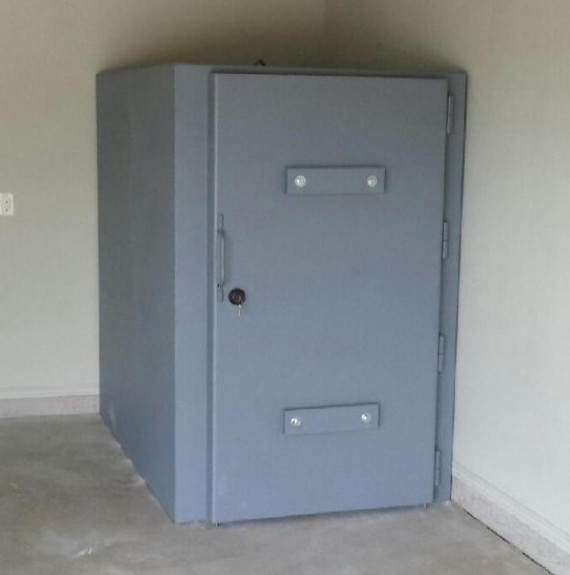
We Help With Safe Room Installation Solutions
We help homeowners choose dependable, safe room installation options for older homes, modern builds, and changing family needs. At Safe Rooms US, we assess structural conditions, available space, and practical shelter choices, including interior safe rooms and reinforced systems. If you are considering a safe room in Dallas or a custom retrofit solution, we encourage you to contact us for expert guidance.