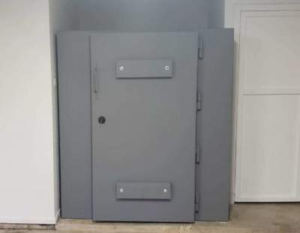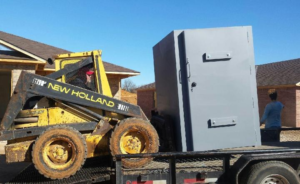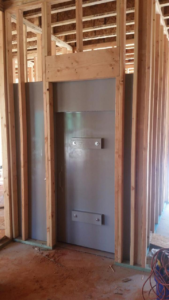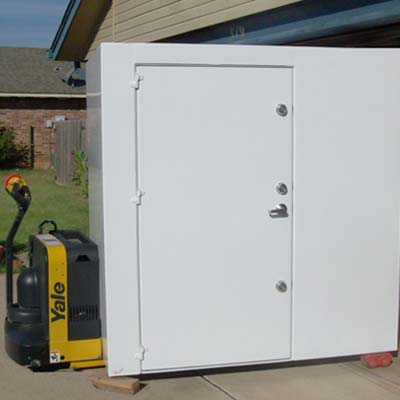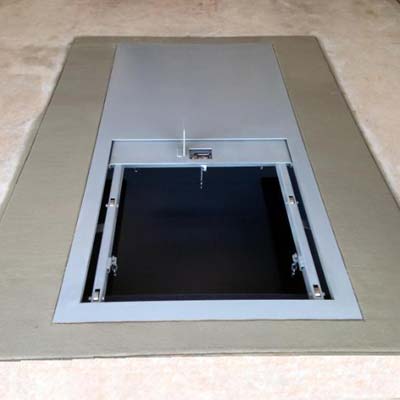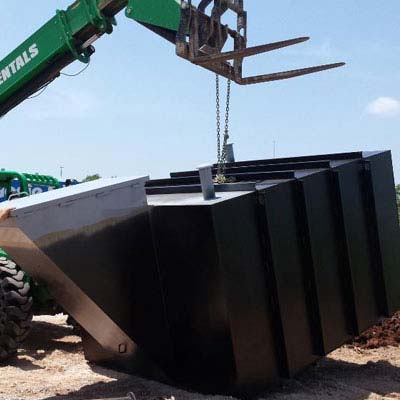
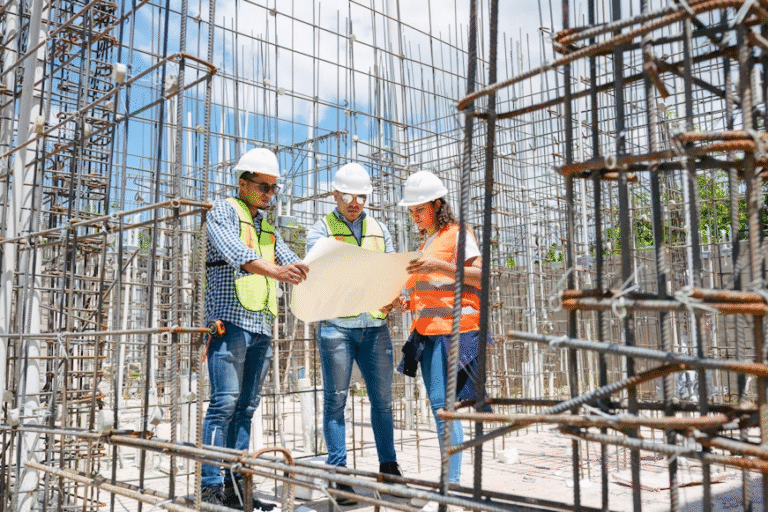
It’s a tricky process – building a new home from scratch, especially if you’re pre-planning a safe room. There are regulatory guidelines to keep in mind, practical considerations like where to place it, and much more.
The process doesn’t have to be intimidating with the right information. Let’s get into what future home-owners should know during safe room installation for new homes.
Adding A Safe Room During New Construction
It’s always more advisable to install a safe room during new construction than doing it later on. This is because it avoids major inconvenience, such as:
- Reworking plumbing or wiring to install the safe room’s doors.
- Adding extra concrete or fitting in steel supports.
- Tearing open walls – an incredibly noisy and messy process.
Retrofitting can really disrupt your regular routine, which experts recommend is to always install an above-ground safe room during the construction phase. Once this is decided, the next step is to learn what regulations need to be followed.
Key Building Codes & Standards
It’s very important to follow these regulations. Failure to comply can mean reduced grant eligibility for programs like the Hazard Mitigation Grant Program, which in some cases, can massively offset the costs of building storm shelters in Texas.
Some important building codes and regulations to be mindful of are:
lCC 500: This code regulates wind load and impact resistance, meaning safe rooms have to withstand tornado winds up to 250 mph. It also requires proper ventilation in the safe room.
FEMA P-361:FEMA-approved safe rooms have to meet this. It provides a framework of best practices for safe room installation in new homes
NEC: The National Electrical Code dictates electrical wiring guidelines for any power supply, ventilation system or emergency lighting set up within a safe room.
Making The Smart Choices
You don’t need to complete every part of the safe room today. However, you do have to lay the right groundwork to avoid future trouble and potentially save thousands.
Documentation & Its Importance
Request your builder to include future safe room readiness in the blueprints. Photograph and document the specifications of reinforced areas. This can help provide proof for FEMA grants later on, which can be a life-saver/
Pre-Engineering The Foundation
This cuts a lot of work out for soon-to-be homeowners. If you intend to install your future room later, perhaps to save costs or time, then ensure the foundation is already set in the chosen safe room area. Contractors won’t have to break up your floor to install an above-ground safe room later on so they can ready the foundation.
Proper Measurements
It’s important to have your measurements sorted. For example, measuring a doorway according to a FEMA-rated steel door makes installing a steel safe room in Texas much more convenient. Take steps with your builder to ensure future remodelling won’t be disturbed by present construction choices.
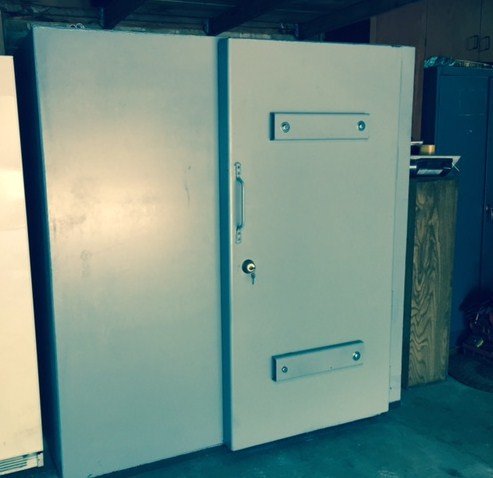
Safe Rooms US – Convenience Meets Safety
Looking for a hassle-free construction process? Trust your home to Safe Rooms US. We construct FEMA-approved safe rooms, which means we already comply with regulatory standards.
Call us today for a simple, comprehensive consultation that puts your safety & convenience at number one.