A safe room is only as effective as where it’s installed. Even the strongest shelter must be placed correctly to deliver true protection during severe storms. At Safe Rooms US, we guide homeowners through optimal tornado shelter placement so their shelter performs exactly as designed when seconds matter.
Choosing the right location depends on accessibility, structure, and how forces move during extreme weather.
Garage Installations: Convenient and Highly Effective
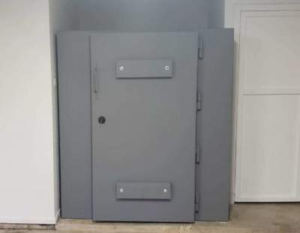
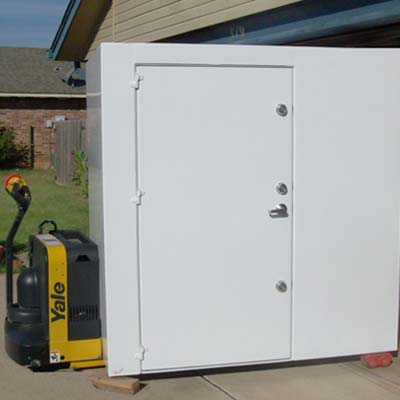
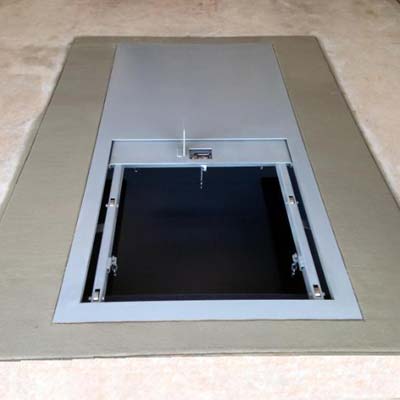
Garage installations are one of the most popular choices for homeowners. A properly engineered above-ground safe room placed in a garage offers fast access and strong structural support when anchored correctly.
Garages often provide ample space and a concrete slab suitable for secure anchoring, which is critical for storm performance. When installed correctly, garage safe rooms meet the same safety standards as interior installations while keeping the shelter close and accessible at all times.
For many families, this option balances convenience with protection — especially when quick access during sudden storms is a priority.
In-Home Safe Room Locations
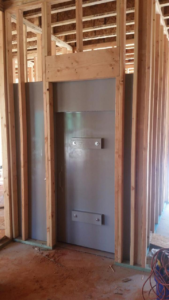
Interior installations place the shelter within the home itself, often in areas such as closets, hallways, or utility rooms. These locations offer protection without requiring occupants to leave the house during severe weather.
Proper tornado shelter room placement inside the home focuses on central positioning and structural stability. The goal is to minimize exposure to exterior walls and debris while ensuring the shelter is firmly anchored to a suitable foundation.
When designed correctly, in-home shelters integrate seamlessly into living spaces while delivering the same life-saving performance as other configurations.
Outdoor Placement Rules & Considerations
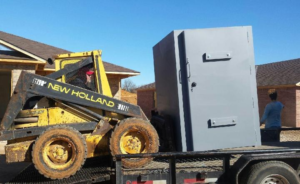
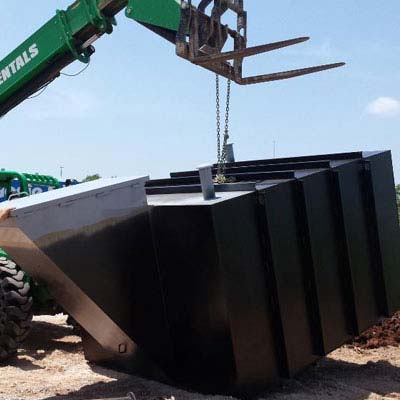
Outdoor installations are sometimes the best option when interior space is limited. These shelters must follow strict placement rules to ensure safety, including distance from the home, proper anchoring, and protected entry points.
Outdoor storm shelter placement requires careful planning to avoid flood-prone areas and ensure accessibility during heavy rain or debris conditions. Entryways should be positioned to remain clear even if surrounding structures are damaged.
When engineered and installed correctly, outdoor shelters provide reliable protection without compromising accessibility.
Ventilation, Access & Safety Planning
No matter where a shelter is placed, ventilation is essential. FEMA-aligned designs include airflow systems that maintain safe oxygen levels during occupancy. Door orientation and entry clearance are also carefully planned to ensure doors remain operable after debris impact.
Optimal tornado shelter placement also considers who will use the shelter. Families with children, seniors, or mobility concerns benefit from locations that minimize steps, distance, and obstacles.
At Safe Rooms US, we evaluate each home individually to recommend placement that prioritizes safety, speed, and usability.
The safest shelter is one that’s placed correctly and built to perform.
Safe Rooms US provides expert guidance and professional installation of tornado and storm shelters across Texas.
Contact Safe Rooms US today to determine the safest, most effective shelter placement for your home and family.