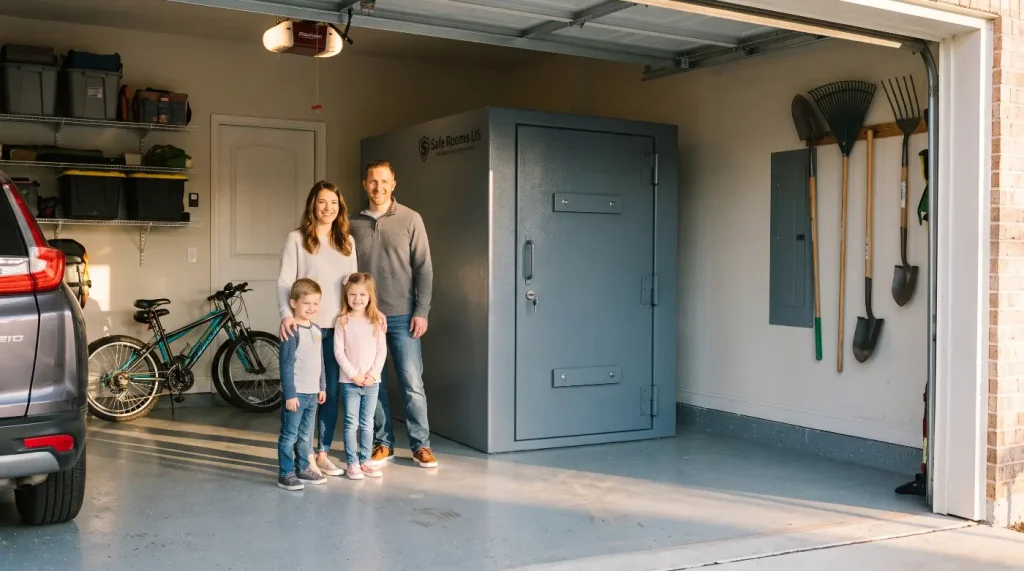
Storm Shelter Resources

Welcome to the Safe Rooms blog, your trusted resource for severe weather protection, storm shelter technology, and home defense solutions. From navigating FEMA guidelines and comparing above-ground vs. underground storm shelters to expert tips on emergency preparedness, our articles provide the actionable insights you need to protect what matters most. Whether you are planning a custom safe room installation or preparing your family for tornado season, explore our latest guides to build lasting security and peace of mind.

tornado watch warning
Blog

Tornado Warning vs Tornado Emergency | Safe Rooms US

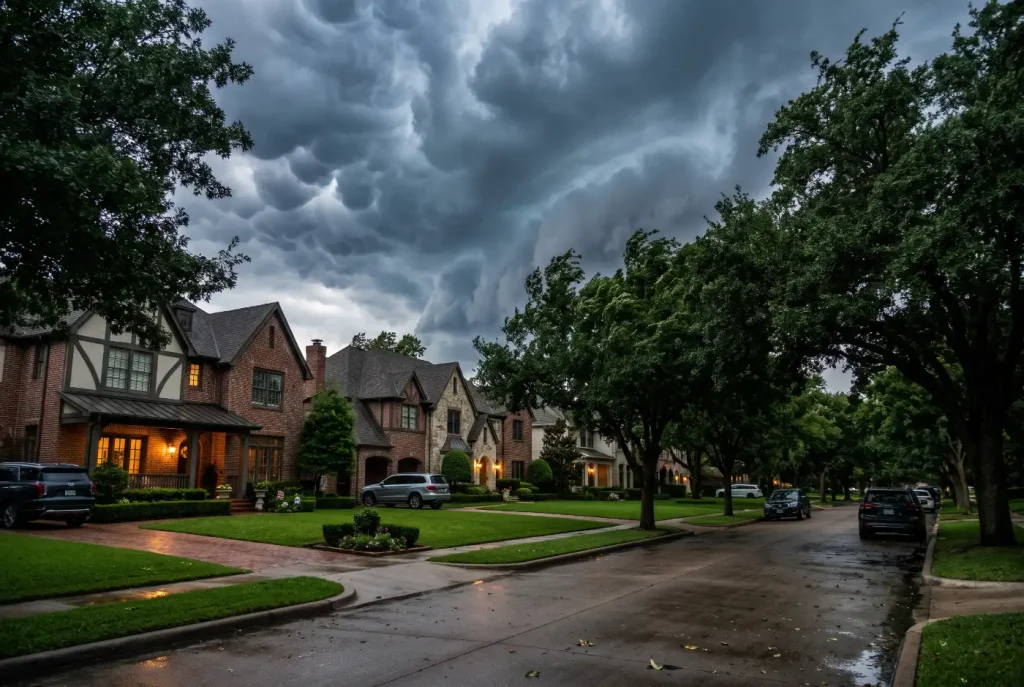
Tornado Emergencies vs. Tornado Warnings: What Every Homeowner Needs to Know When Minutes Count The difference between a Tornado Warning and a Tornado Emergency comes down to verification, ground truth, and catastrophic threat level. A Tornado Warning means that rotation has been detected on Doppler radar or a funnel has been spotted by storm spotters, requiring anyone in the designated danger area to seek interior shelter immediately. A Tornado Emergency is the National Weather Service’s

Read More »
Features That Strengthen Safe Room Protection - Infograph
Blog

Features That Strengthen Safe Room Protection – Infograph

This infographic highlights the key features that strengthen safe room protection during severe weather events. It explains how reinforced walls, durable doors, impact-resistant construction, secure anchoring, quick emergency access, and FEMA-compliant standards help create a reliable protective space for families.

Read More »
safe rooms
Blog

Surviving an EF5: Above-Ground vs. Underground Safe Rooms

Executive Summary Structural Parity: FEMA-compliant above-ground safe rooms and below-ground storm shelters provide equivalent, near-absolute survival rates against 250-plus mile-per-hour winds and airborne debris during an EF5 tornado event. Accessibility Advantages: Above-ground storm shelters feature zero-threshold, flush entries that eliminate climbing barriers, allowing rapid access for wheelchair users, mobility-impaired individuals, and resistant domestic pets within a narrow thirty-second warning window. Financial and Geotechnical Constraints: Underground storm shelters generally carry lower initial purchase prices, yet shallow

Read More »
safe room
Blog

Safe Rooms: Mobility, Access, and Survival

Executive Review Steep Stairway Barriers: Subterranean shelters feature steep stairways, narrow drop hatches, and awkward angled doors that create impassable physical barriers for individuals using mobility devices. Level Zero-Threshold Ingress: Above-ground storm shelters engineered to ICC 500 and FEMA P-361 standards provide zero-step thresholds, expansive clear door openings, and unobstructed floor space for immediate entry during emergencies. Seconds Dictate Survival: Severe tornado lead times average between eight and twelve minutes, making rapid,independent wheel-in access essential

Read More »
flying debris 2x4
Blog

The Physics of Flying Debris: Why 2×4 Lumber Pierces Brick

Article Preview Kinetic Concentration Over Material Hardness: A 15-pound piece of structural lumber traveling at 100 miles per hour delivers over 5,000 foot-pounds of energy across an impact footprint measuring only 5.25 square inches. Brittle Shear Failure in Masonry: Residential clay brick veneers and unreinforced concrete masonry units exhibit high compressive strength but nominal shear and tensile resistance, causing brittle punching shear rather than missile deformation. Standard Code Inadequacies: Conventional residential building envelopes are engineered

Read More »
Construction blueprint with a drill and screws on a wooden table.
Blog

What To Look for in a Storm Safe Room? A Dallas Homeowner’s Guide

Shopping for a shelter can feel like comparing products that all promise the same thing. Knowing what to look for in a safe room turns that into a short checklist, and most of it comes down to features you can see, measure or ask about. Here is how to tell a purpose-built shelter from a closet that merely feels sturdy. Why an Ordinary Room Falls Short A hallway closet may feel protected, but FEMA’s advisory on

Read More »
north texas tornado funnel
Blog

The Splintered Prairie: North Texas Under the Funnel

Article Overview Meteorological Convergence Zone: North Texas sits at the collision front of dry desert air, Canadian cold fronts, and moist Gulf airflow, creating severe atmospheric instability. Evolution of Damage Scales: Ground-truth post-disaster forensic surveys transformed wind hazard analysis from the original 1971 Fujita scale to the wind-damage calibrated Enhanced Fujita Scale adopted in 2007. Suburban Exposure Growth: Rapid residential expansion across the Dallas–Fort Worth metroplex continuously increases target density within historically active supercell corridors.

Read More »
tornado warning
Blog

Tornado Emergency vs. Warning: The Critical Difference

Article Overview Operational Escalation: A Tornado Warning indicates a tornado is detected or imminent, whereas a Tornado Emergency indicates a confirmed, violent tornado is actively causing catastrophic damage in a populated area. Strict Issuance Criteria: Under National Weather Service Directive 10-511, forecasters cannot issue a Tornado Emergency without confirmed human hazard, severe structural destruction, and reliable spotter or radar confirmation. Behavioral Mandate: Standard home sheltering may suffice for common warnings, but a Tornado Emergency requires

Read More »
Blog

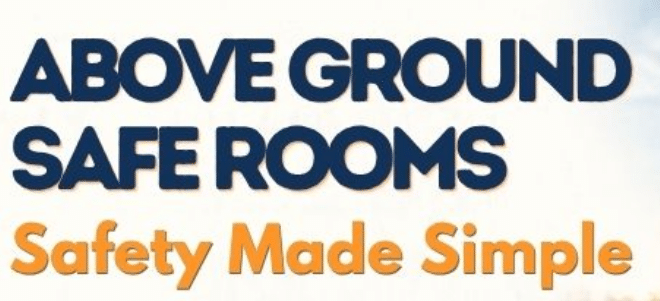
Above Ground Safe Rooms: Safety Made Simple – Infograph

This infographic highlights how above-ground safe rooms provide accessible protection during severe weather events. It explains key features such as FEMA-compliant reinforced steel construction, impact-tested designs, secure entry systems, and practical installation benefits. The content helps homeowners understand how safe rooms can provide reliable storm protection while fitting into everyday living spaces.

Read More »