North Texas sits in one of the most active severe weather regions in the country. Dallas regularly experiences tornado warnings, damaging straight-line winds, and intense storm systems each year. As a result, many homeowners move forward with installing a safe room in Dallas to create reliable protection during severe weather.
However, structural strength alone does not guarantee safety. Placement directly affects accessibility, anchoring performance, and overall usability during an emergency.
Installing Too Close to Garage Doors
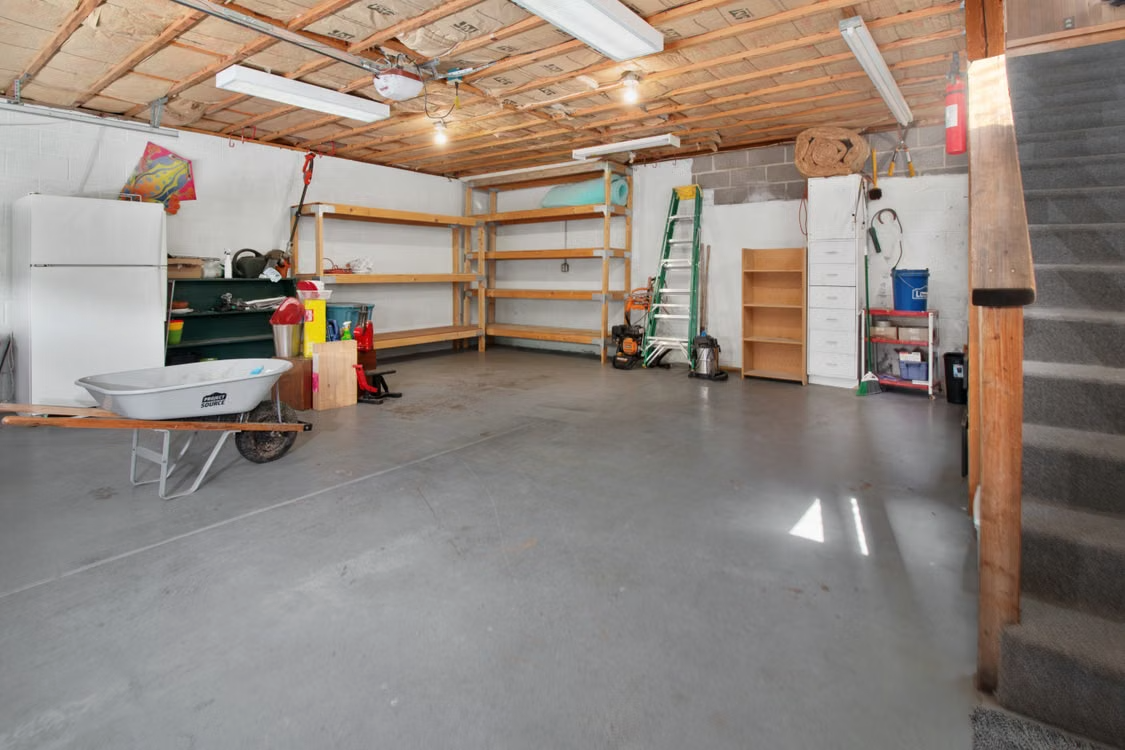
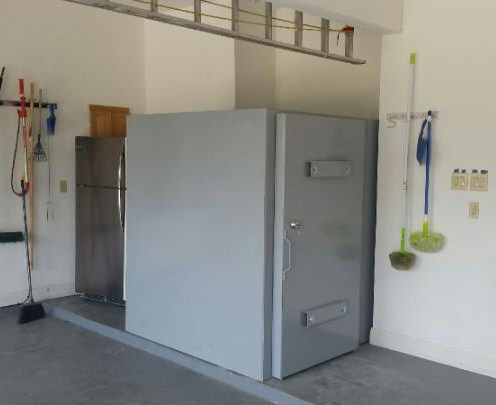
Garages remain one of the most common locations for a safe room, which homeowners consider because of existing concrete slabs. While convenient, positioning a safe room too close to the garage door creates serious access risks.
This is because these doors are often among the first structural components to fail during high winds. If the door collapses inward, debris can block entry to the shelter. When planning a safe room, the layout should prioritize interior placement with a clear, protected path that remains accessible even if the garage door fails.
Ignoring Clearance and Accessibility
We frequently see storm safe rooms get installed behind storage racks, appliances, or stacked equipment. In an emergency, obstacles waste critical seconds.
FEMA residential safe room guidance states shelters must remain easily and quickly accessible to all occupants. When planning a safe room in Dallas, proper positioning ensures full door swing clearance and enough surrounding space to move family members inside without obstruction.
This principle applies whether a homeowner is evaluating a tornado safe room, comparing different options, or researching long-term protection solutions. Accessibility should never be compromised for convenience.
Choosing the Wrong Anchoring Location
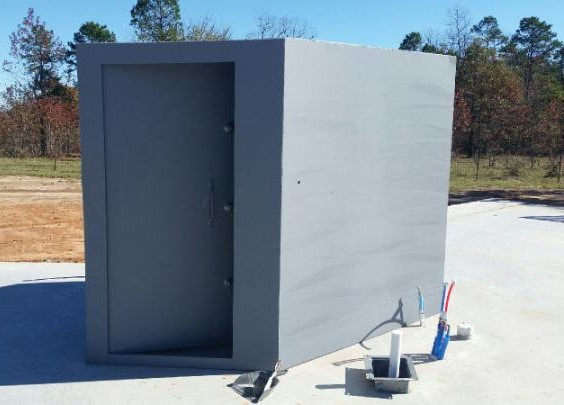
A properly installed safe room in Dallas must anchor to structurally sound concrete capable of resisting extreme wind loads. FEMA guidelines require safe rooms to withstand uplift forces and flying debris impact during severe storms.
If the slab is cracked, too thin, or improperly reinforced, anchoring strength becomes compromised. Even high-quality safe rooms will not perform as intended without secure anchoring. Placement always includes evaluating slab thickness, reinforcement, and bolt positioning.
Overlooking Everyday Functionality
If a safe room disrupts daily use of the garage or interior space, it often becomes blocked or neglected. A well-designed safe room integrates into the home without interfering with routine function. Proper placement balances protection with practicality so the shelter remains clear and ready at all times.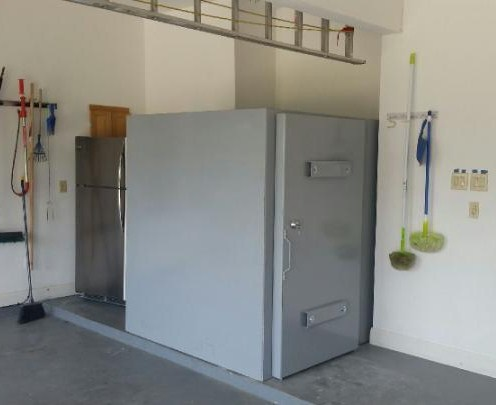
Protect Your Family With Proper Planning
Safe Rooms US brings over 25 years of experience in the safe room and storm shelter industry. Each safe room is custom-built and engineered to withstand EF5 tornadoes. Our above-ground steel safe rooms meet or exceed FEMA guidelines and pass the Texas Tech Impact Test.
If you are considering installing a safe room in Dallas, contact Safe Rooms US to ensure correct placement, proper anchoring, and long-term reliability. The right structure matters — but the right location ensures it performs when it matters most.