Most comparisons of an above-ground vs underground storm shelter stop at the basics: how easy it is to reach, how much space it takes, how long installation runs. Those matter, and this side-by-side look at access, space and installation covers them. This post adds something different: what FEMA’s engineers found inside shelters of both types after an EF5 tornado struck Moore, Oklahoma, in 2013.
Does One Type Protect Better?
The FEMA investigation team found that adequately built above-ground storm shelter units performed well and protected the people inside. Most shelters it saw were underground, and many owners had chosen that route because they believed being above ground was unsafe no matter how strong the structure was. FEMA called that a misconception. Its point was that construction guidelines matter more than location. Any tornado shelter, above or below ground, that misses them will not deliver near-absolute protection.
What Happens After the Storm Passes?
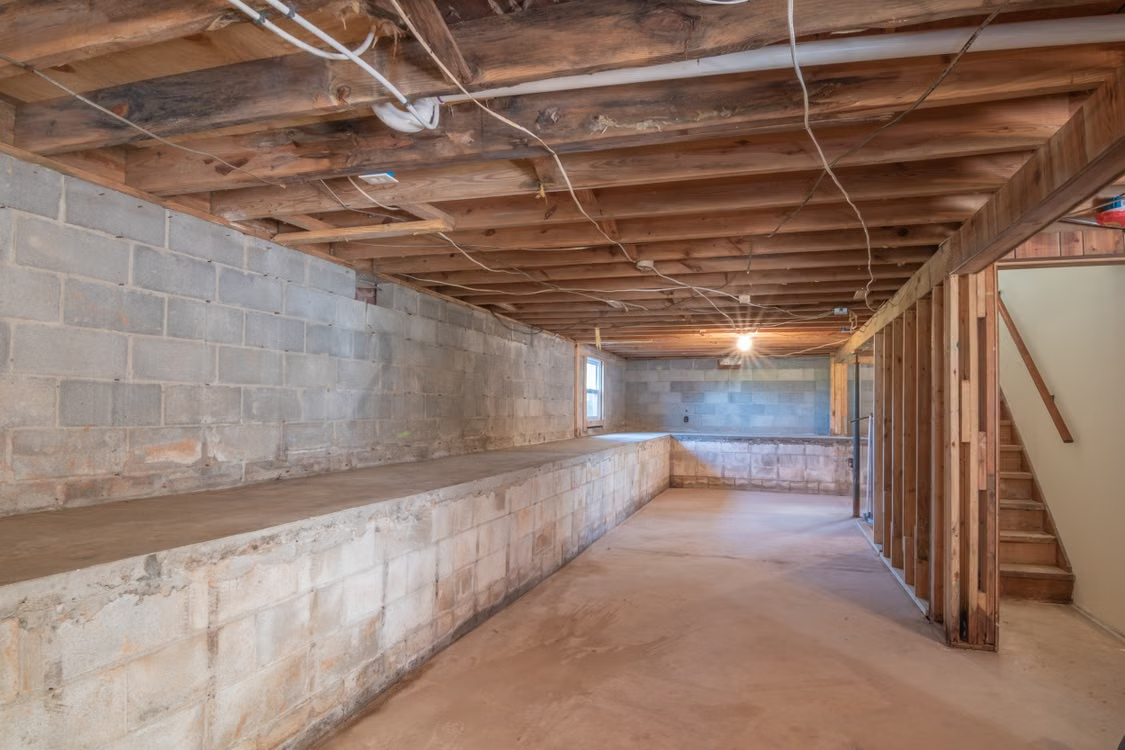
This is where the two types differ in ways a brochure rarely shows. One family climbed out of an underground storm shelter into two feet of standing rainwater. FEMA noted that entrances flush with the ground carry a flooding risk, and that a raised lip of 1 to 2 inches kept runoff out better.
Another homeowner reached an underground garage shelter by crawling beneath a car parked over the entrance, and later realized the car could have fallen on it.
Above ground is not immune to blockage either. When one garage collapsed around a safe room, neighbors cleared debris to reach the person inside. FEMA’s advice for any type is to register the shelter’s location with local first responders.
What Should Homeowners Ask?
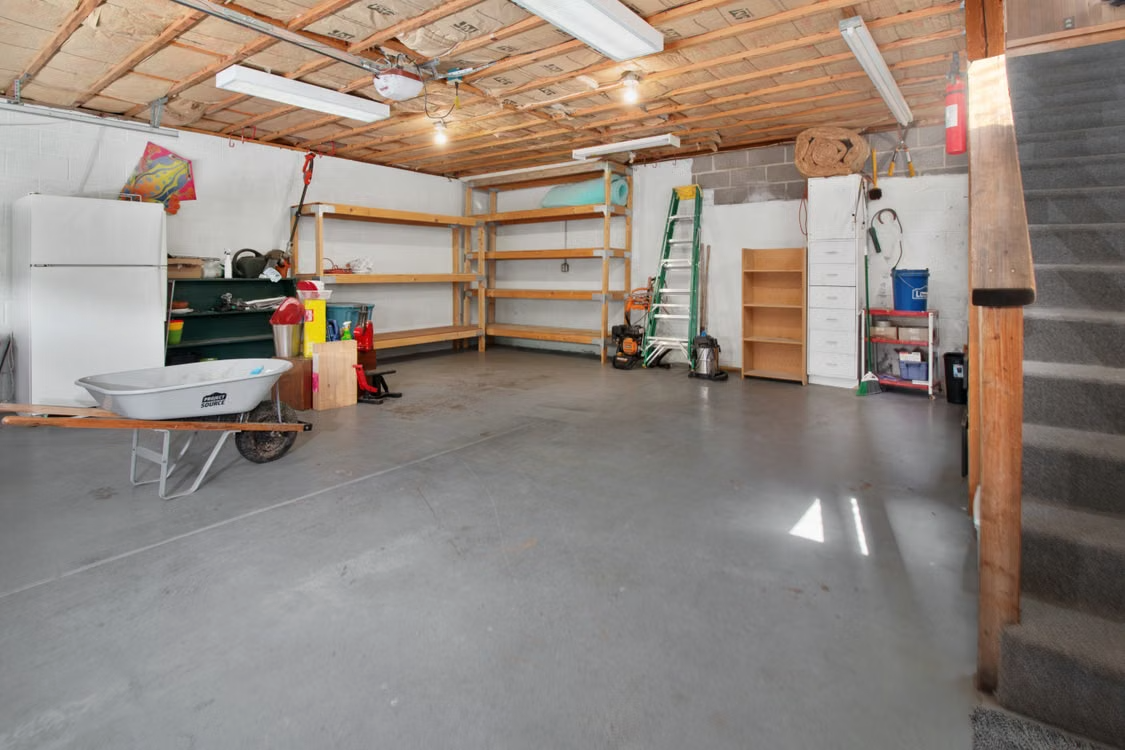
Many storm shelters end up in your home’s garage, so a few questions deserve straight answers before you sign.
- Is the slab strong enough? FEMA saw installers skip this check, and its anchoring fact sheetsays existing slabs often need evaluation or strengthening.
- How is it anchored? One steel design uses bolts every 12 inches, each with 10,000 pounds of shear strength, as the safe room FAQ
- Does the door lock properly? Older shelters in Moore often had weak latching.
- Will the entrance stay clear? Keep cars and heavy storage away from the door.
How Does a Garage Unit Handle the Day-to-Day?
Above-ground steel units arrive assembled. Building takes about 7 to 10 days after the contract, setting takes roughly 30 to 45 minutes, and a 36-inch door at floor level keeps entry simple for wheelchair users. The page on above-ground steel safe rooms shows how that layout works inside a garage.

Which Questions Are Still on Your List?
If a few of those answers are still unclear for your garage, we can walk through them together. At Safe Rooms US, we build each steel safe room to fit the space it goes in. If you are comparing storm shelters in Dallas, our Dallas safe room blog explains how one is built and installed. Contact us whenever you’re ready, and we’ll help you sort out what suits your home.