Storm Shelter Resources

Welcome to the Safe Rooms blog, your trusted resource for severe weather protection, storm shelter technology, and home defense solutions. From navigating FEMA guidelines and comparing above-ground vs. underground storm shelters to expert tips on emergency preparedness, our articles provide the actionable insights you need to protect what matters most. Whether you are planning a custom safe room installation or preparing your family for tornado season, explore our latest guides to build lasting security and peace of mind.

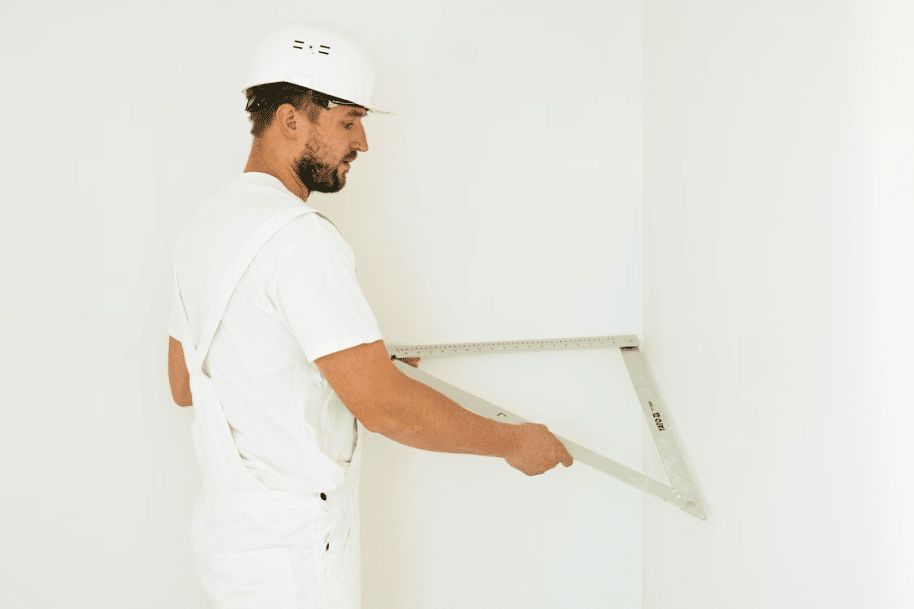
Installer measuring an interior wall corner while planning a custom safe room design for a Dallas home
Blog

How Custom Safe Rooms Can Be Designed Around Your Dallas Home

Many people think a safe room comes in one standard size. It doesn’t have to. A safe room can be built to fit your space, from the floor size to the height. The most useful custom safe room design ideas start with two questions: where will it go, and who needs to fit inside? Answer those first, and most design decisions follow. Custom Safe Room Design for Your Dallas Home What Can Actually Be Customized? More
Read More »
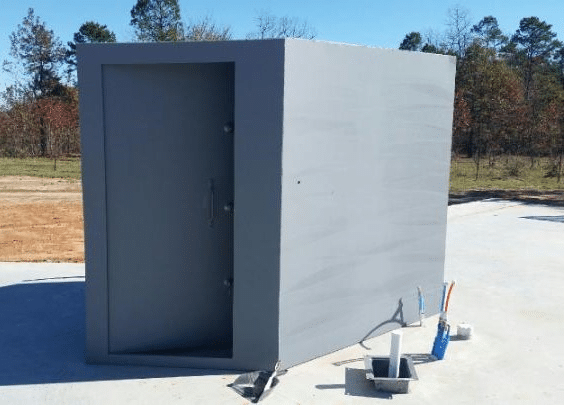
Open-door unit, one of our above-ground steel storm shelters, set on a slab instead of dug into Texas clay
Blog

Why Above-ground Steel Storm Shelters Excel in Texas Soils

Expansive clay soils in parts of Texas expand when wet and shrink as they dry, causing ground movement that can affect structures and foundations. These conditions can make underground construction more challenging. Above-ground steel storm shelters offer practical advantages, including reduced excavation, flexible placement, and less direct exposure to surrounding soil movement. For homeowners and businesses in North Texas, above-ground steel shelters can provide a practical way to add a dedicated storm protection space while

Read More »
safe rooms
Blog

Can a Tornado Be Added to an Existing Fort Worth Home?

In most cases, yes. A finished house can still take a shelter; the work just has to fit around what is already there. That question matters in North and Central Texas, where April and May are the busiest months on National Weather Service tornado records, with 555 and 525 tornadoes logged between 1950 and 2025. Adding a storm shelter to an existing home starts with a few practical checks, not a construction project. How Is an

Read More »
Above-ground steel safe room representing Wichita Falls storm shelters built for Red River Valley tornadoes
Blog

Wichita Falls Storm Shelters & Red River Valley | Safe Rooms US

Wichita Falls Storm Shelters and the Red River Tornado Corridor Choosing Wichita Falls storm shelters starts with understanding the Red River Valley’s tornado history. For families living across Wichita Falls and the broader Red River Valley, an EF5-rated above-ground safe room certified to FEMA P-320, FEMA P-361, and ICC-500 standards provides near-absolute life safety against 250 mph winds and violent airborne debris. Historic disasters—most notably the catastrophic 1979 “Terrible Tuesday” tornado—proved that interior closets, hallways,

Read More »
Funnel cloud over open country as tornado warning levels climb from watch to Tornado Emergency
Blog

Tornado Warning vs Tornado Emergency | Safe Rooms US

Tornado Warning Levels: What Every Homeowner Needs to Know Knowing the tornado warning levels can buy your family precious minutes. The difference between a Tornado Warning and a Tornado Emergency comes down to verification, ground truth, and catastrophic threat level. A Tornado Warning means that rotation has been detected on Doppler radar or a funnel has been spotted by storm spotters, requiring anyone in the designated danger area to seek interior shelter immediately. A Tornado

Read More »
Infographic of safe room features: reinforced walls, durable door, secure anchoring and quick access
Blog

Features That Strengthen Safe Room Protection – Infograph

This infographic highlights the key features that strengthen safe room protection during severe weather events. It explains how reinforced walls, durable doors, impact-resistant construction, secure anchoring, quick emergency access, and FEMA-compliant standards help create a reliable protective space for families.

Read More »
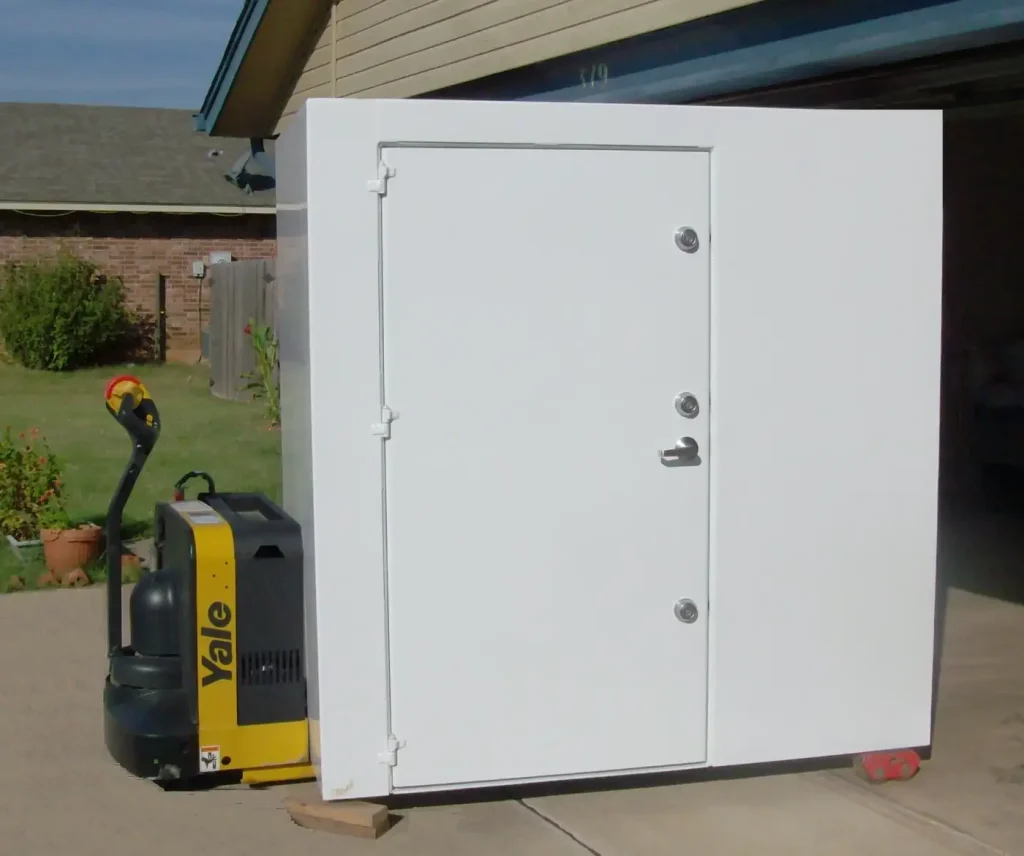
Above-ground steel safe room in a garage, built with surviving an EF5 tornado in mind
Blog

Surviving an EF5: Above-Ground vs. Underground Safe Rooms

Executive Summary Structural Parity: FEMA-compliant above-ground safe rooms and below-ground storm shelters provide equivalent, near-absolute survival rates against 250-plus mile-per-hour winds and airborne debris during an EF5 tornado event. Accessibility Advantages: Above-ground storm shelters feature zero-threshold, flush entries that eliminate climbing barriers, allowing rapid access for wheelchair users, mobility-impaired individuals, and resistant domestic pets within a narrow thirty-second warning window. Financial and Geotechnical Constraints: Underground storm shelters generally carry lower initial purchase prices, yet shallow

Read More »
Wheelchair accessible safe room with a level entry and wide steel door open beside a home
Blog

Safe Rooms: Mobility, Access, and Survival

Executive Review Steep Stairway Barriers: Subterranean shelters feature steep stairways, narrow drop hatches, and awkward angled doors that create impassable physical barriers for individuals using mobility devices. Level Zero-Threshold Ingress: Above-ground storm shelters engineered to ICC 500 and FEMA P-361 standards provide zero-step thresholds, expansive clear door openings, and unobstructed floor space for immediate entry during emergencies. Seconds Dictate Survival: Severe tornado lead times average between eight and twelve minutes, making rapid,independent wheel-in access essential

Read More »
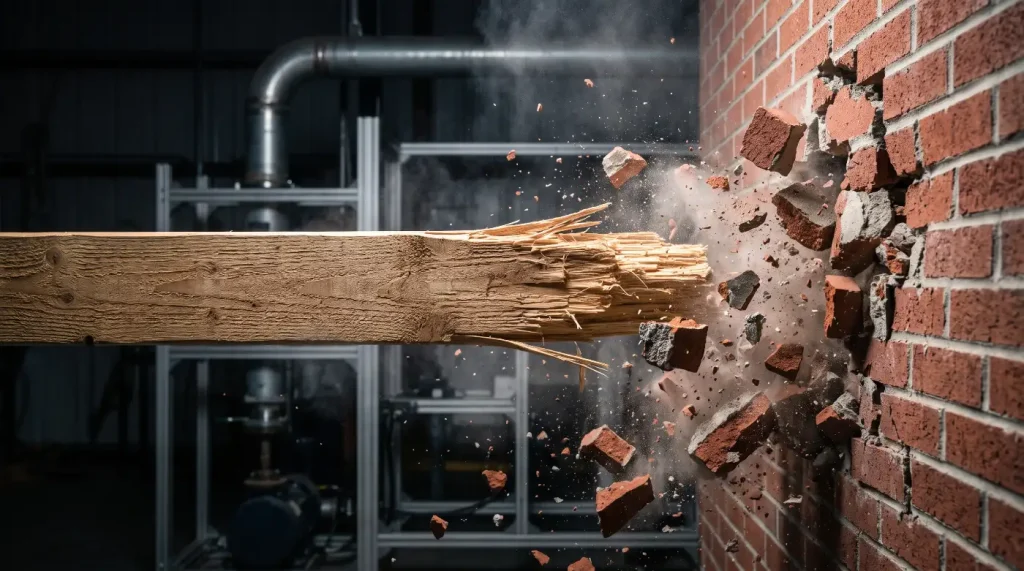
2x4 lumber driven into a brick wall, showing how tornado flying debris breaks through masonry
Blog

The Physics of Flying Debris: Why 2×4 Lumber Pierces Brick

Article Preview Kinetic Concentration Over Material Hardness: A 15-pound piece of structural lumber traveling at 100 miles per hour delivers over 5,000 foot-pounds of energy across an impact footprint measuring only 5.25 square inches. Brittle Shear Failure in Masonry: Residential clay brick veneers and unreinforced concrete masonry units exhibit high compressive strength but nominal shear and tensile resistance, causing brittle punching shear rather than missile deformation. Standard Code Inadequacies: Conventional residential building envelopes are engineered

Read More »